
Why Fresh Produce Brands Need Dedicated Merchandisers, Not Only Sales Reps
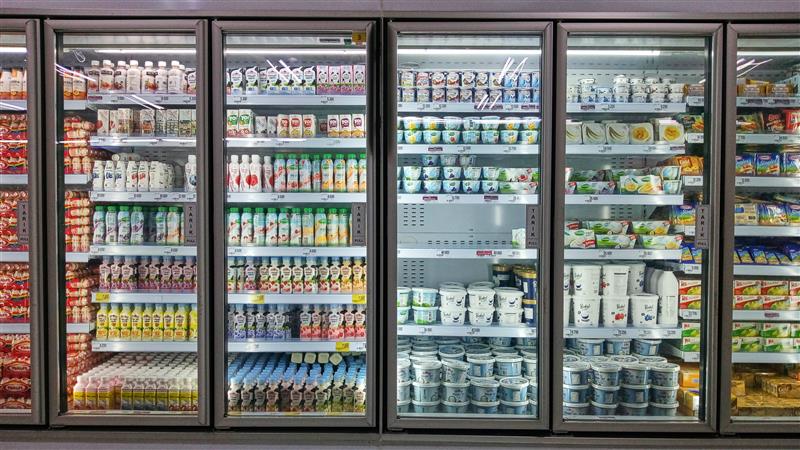
In fresh produce, the difference between a good shelf and a weak shelf is often not strategy. It is attention. Someone has to check the product, refill the shelf, rotate stock, fix the display, speak to store staff and document what changed.
Many fresh produce brands ask sales reps to handle this alongside selling, negotiation, order capture and retailer relationships. That can work when the footprint is small. As store coverage grows, it becomes a risk.
Selling and merchandising are different jobs
A sales rep is measured on orders, relationships, commercial targets and account growth. A merchandiser is measured on whether the shelf is perfect when the shopper arrives.
Both roles matter, but they behave differently inside the store. The sales rep may need to move quickly from buyer to buyer. The merchandiser needs to stay until the shelf is right.
Fresh produce needs fixed routines
Fresh vegetable shelves cannot be managed only when someone has time. They need planned visits, clear task lists, repeatable checks and backup coverage when a person is absent.
A dedicated merchandiser can follow a fixed journey plan and focus every store visit on a precise routine: attendance, shelf check, backroom stock check, replenishment, FIFO rotation, damaged item removal, planogram correction, photo proof and escalation.
The shelf is the merchandiser’s only priority
The value of a dedicated role is focus. In fresh produce, small issues become visible quickly: wilted leaves, uneven facings, missing price tags, poor shelf fill, competitor encroachment, damaged packaging or product sitting in the backroom.
When one person owns the shelf, these issues are less likely to wait for the next sales call. They become part of the daily operating rhythm.
Training has to be category-specific
A general field staff member may know how to take photos or check a display. A fresh produce merchandiser needs additional training.
- Product knowledge: varieties, freshness indicators and storage needs.
- Fresh category handling: temperature awareness, FIFO and expiry identification.
- Planogram discipline: placement, flow, facings and shelf hierarchy.
- Retailer protocols: how to request space, process RTV and escalate issues.
- Technology use: visit logging, photo proof, stock reporting and exception flags.
Backup coverage matters
In many categories, one missed visit is inconvenient. In fresh produce, it can create empty shelves, poor presentation or product waste. That is why backup coverage should be part of the operating model, not an afterthought.
A trained backup pool helps ensure stores are not left uncovered when a merchandiser is absent. The shopper does not know why a person missed work. They only see whether the product is fresh and available.
How Channelplay can help
Channelplay builds dedicated merchandising teams for fresh food and vegetable brands, supported by supervisors, structured journey plans and field technology. The team is trained for the category, not just deployed as generic manpower.
Our model separates sales activity from shelf execution. Sales teams can focus on account growth and orders, while merchandisers focus on availability, freshness, planogram compliance, share of shelf, replenishment and RTV documentation.
What a good operating rhythm looks like
A strong fresh produce merchandising programme usually includes daily execution focus, weekly tactical review, monthly KPI discussion and quarterly business review. Data is only useful when it drives action.
At store level, the rhythm is simple: visit, check, replenish, rotate, fix, document and escalate. At management level, the rhythm is visibility, action and continuous improvement.
The bottom line
Fresh produce brands do not need more people wandering through stores. They need dedicated people with one clear mission: protect the shelf. When the shelf is owned every day, freshness, availability and brand presentation become easier to manage.