
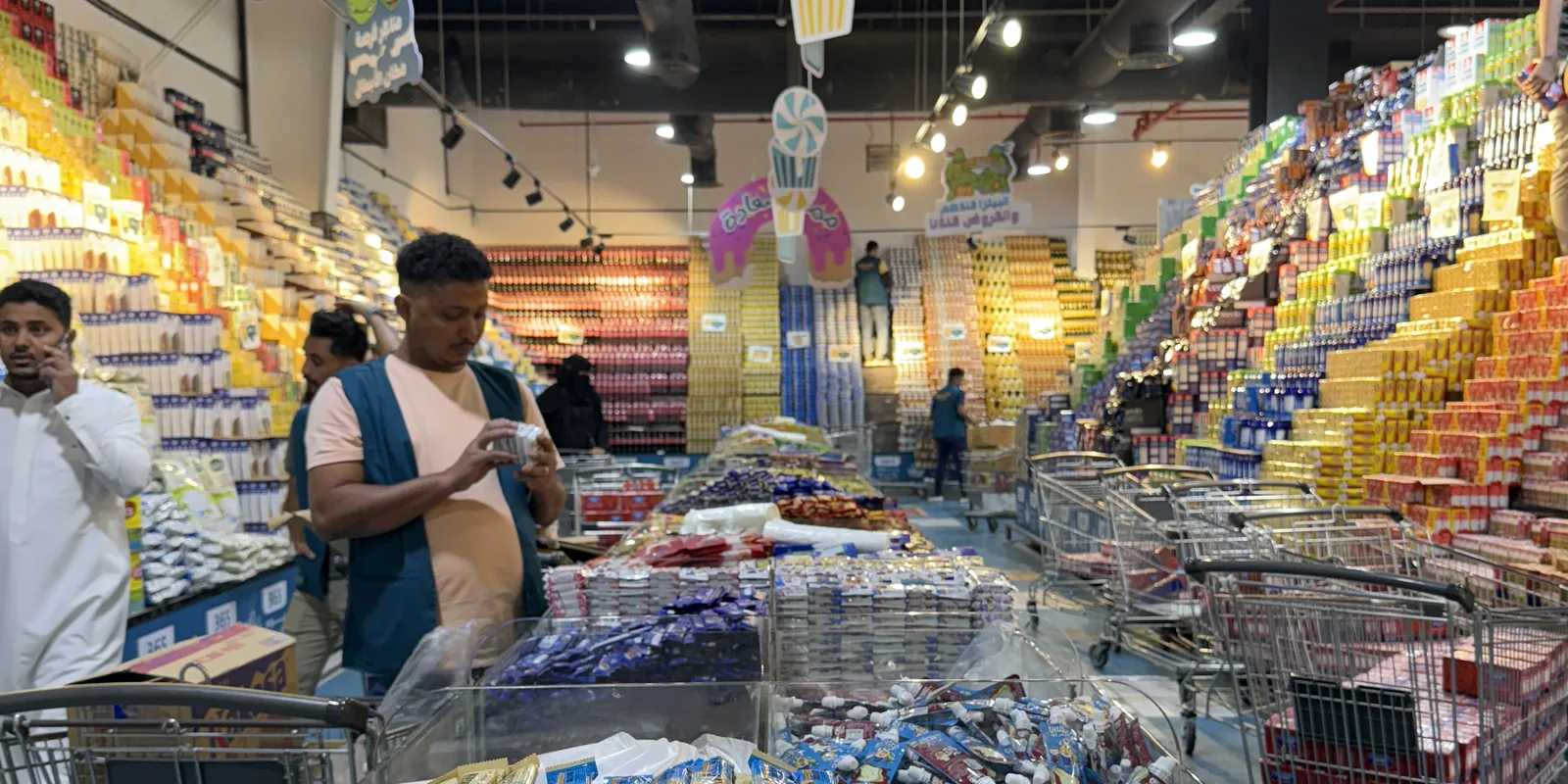
Saudi Arabia's Ministry of Commerce has set an exceptional discount season running from 1 August to 31 October 2026. It applies to physical stores and online sellers, retailers apply for discount licences online, and the window does not count against the ninety day annual cap on discount periods.1
For brand and retail teams the announcement is not really a pricing event. It is a three month operational commitment. Most discount programmes are designed for a short burst. Stretching one across a quarter changes what the field organisation has to sustain.
A Longer Window Changes the Execution Problem
A two week promotion can be carried by a head office push and a burst of extra staffing. A three month promotion cannot. Stock cycles several times, staff rotate, competitor pricing moves and the initial display discipline decays quietly from week three onward.
The risk is not a dramatic failure. It is slow drift: a price label that no longer matches the till, a gondola end that has lost its promotional header, a fast moving pack that stays empty over a weekend. Each is small. Across a quarter and a store estate, they are the difference between a good season and an average one.
Price Accuracy Is the First Compliance Risk
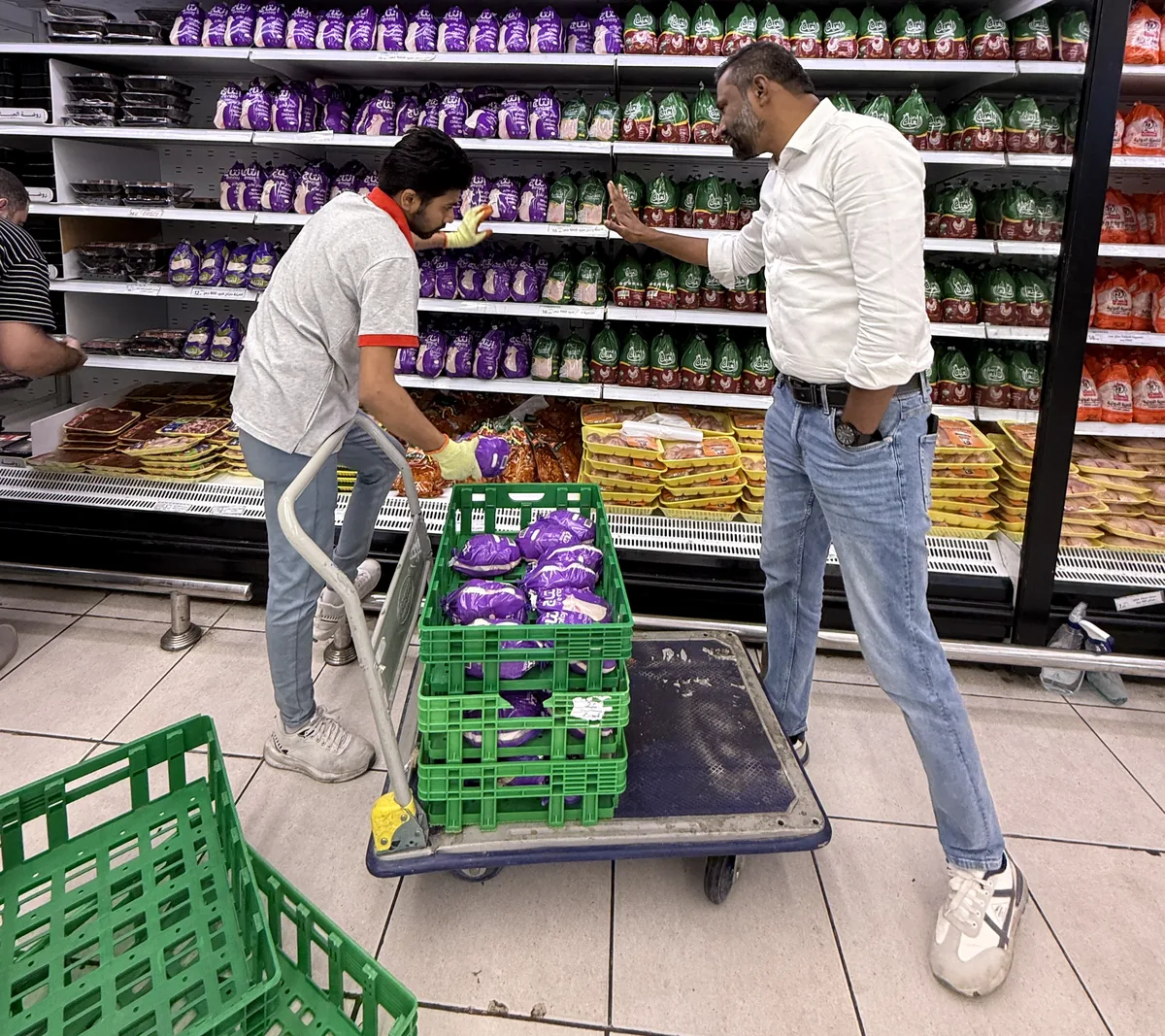
A licensed discount season invites scrutiny. The advertised price, the shelf label and the price charged at the till all have to agree, in every branch, for the full period. That alignment is easy to assume from head office and hard to guarantee in the aisle.
Practical controls matter more than intent here. Someone has to walk the store, compare the label against the promotion list, check that expired promotional material has been removed, and confirm that the till reflects the current price. Where that check is not scheduled, it does not happen.
Availability Decides Who Actually Gains Share
Saudi consumer demand responds sharply to promotion. In the week to 4 July 2026, point of sale spending reached SR16.9 billion, up 34.3 percent on the previous week, with clothing and apparel rising 45.6 percent to SR1.49 billion and food and beverage the largest category at SR2.76 billion.2
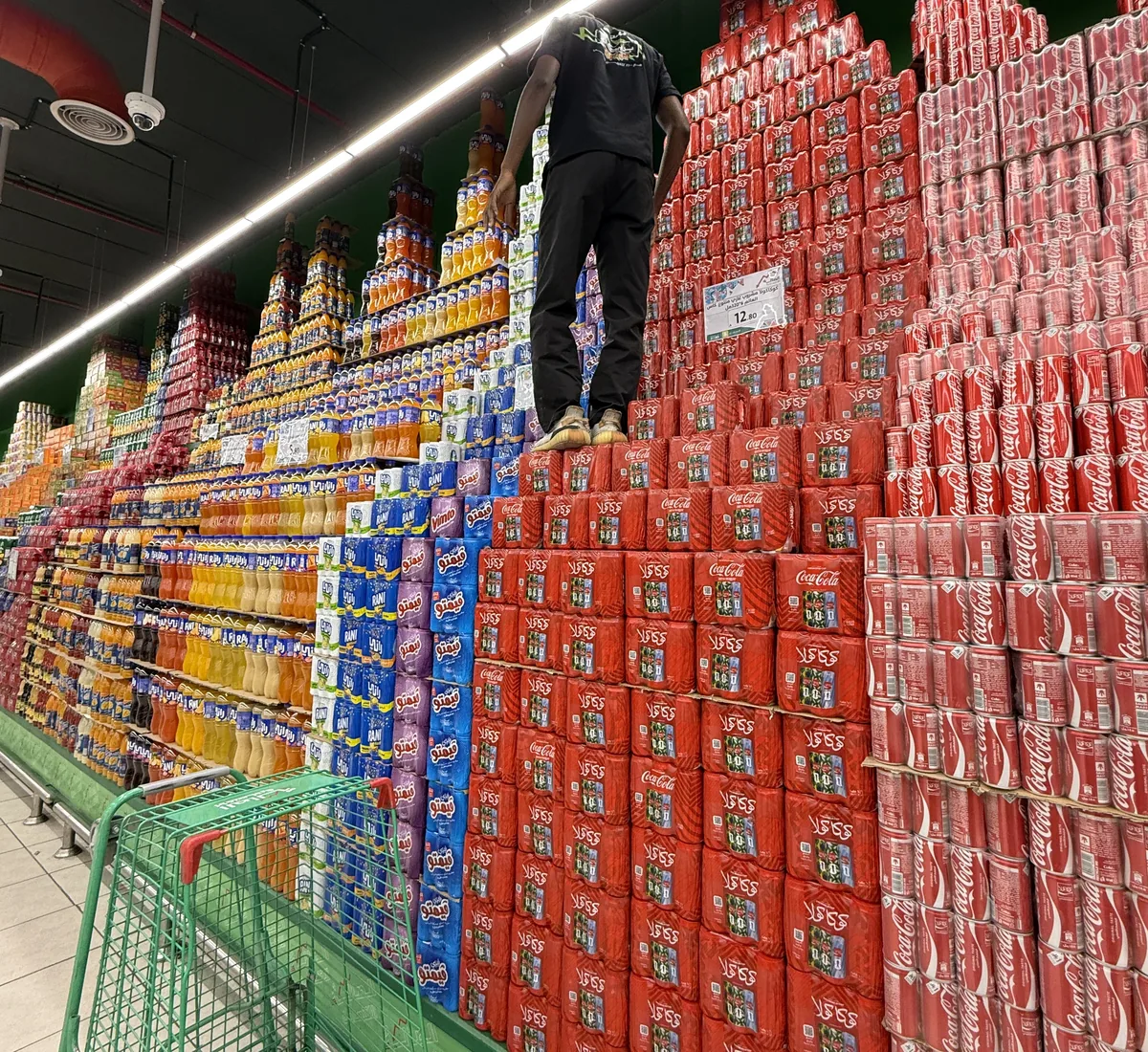
Demand of that shape rewards whoever is in stock at the moment of the visit. A promoted product that is absent from the shelf does not defer the sale, it hands it to the alternative sitting next to it. Over a three month window, replenishment rhythm is the single clearest lever on outcome.
A Promotion Is Only Live Where It Is Visible
Head office launches a promotion once. Stores execute it hundreds of times. The gap between those two facts is where most discount seasons lose value. Point of sale material arrives late or not at all, a display is built in the wrong location, or the second wave of the campaign never replaces the first.
The teams that hold this together treat the store visit as the unit of delivery, not the campaign brief. This connects directly to real-time retail execution: visibility of what is actually happening in store, and a route to correcting it while the season is still running.
What to Measure Weekly, Not at the End
A quarter long promotion gives you the rare advantage of time to correct. That advantage is only usable if measurement is frequent enough to act on. Reporting that arrives in November explains the season. Reporting that arrives every week can still change it.
- On shelf availability for the promoted range, by store and by week.
- Price label accuracy against the current promotion list.
- Display and point of sale material compliance, including removal of expired material.
- Share of shelf against competitor promotional activity.
- Time from issue detected to issue resolved.
For a wider view of which measures actually move commercial outcomes, see our guide to retail execution metrics that move the P&L.
Where Channelplay Fits
Channelplay operates field teams across Saudi Arabia and the wider GCC. For a season of this length, that typically means trained sales promoters and merchandisers in priority stores, structured audit routes that check price, availability and display, and a reporting loop that puts exceptions in front of someone who can fix them.
Depending on scope, this can run as part of sales team outsourcing or as focused visual merchandising coverage, supported by our field technology stack. To plan coverage for the discount season, speak with Channelplay.
Sources
- Saudi Ministry of Commerce three month exceptional discount season, Zawya, 22 July 2026. View source
- Saudi point of sale spending, week to 4 July 2026, Arab News, 10 July 2026. View source
Photographs in this article were taken by the author in retail environments across the Gulf and are shown for illustrative purposes only. Any brand, product, retailer or store that appears is incidental to the photograph. Their appearance does not imply that Channelplay serves, represents, endorses or is affiliated with them.