
Retail execution metrics that actually move the P&L
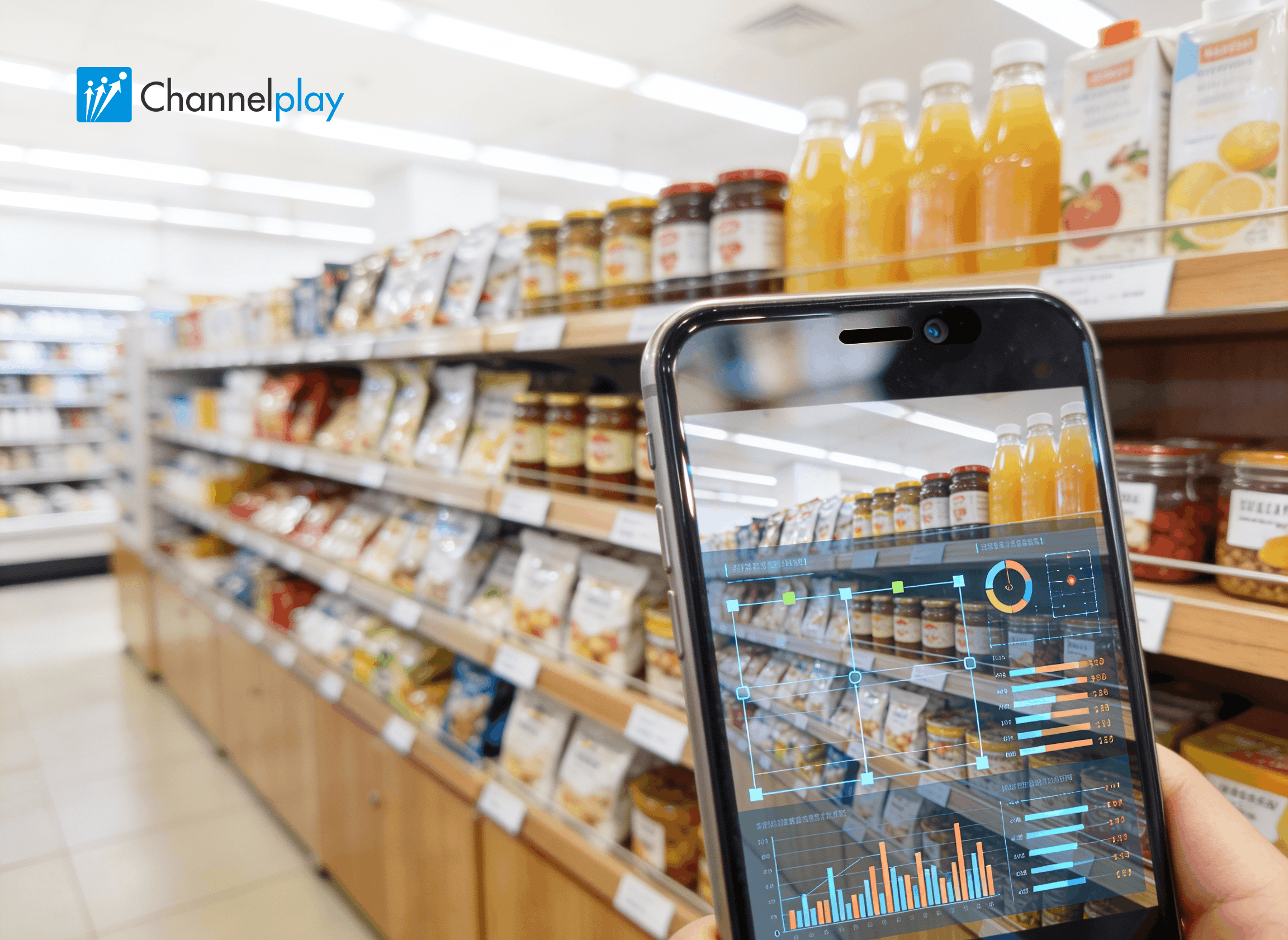
Walk into any FMCG or consumer brand in the GCC, and you’ll hear the same story: “Our field force is bigger, our coverage is wider, and our planogram compliance is up.”
But then walk into the CFO’s office, and the question changes: “So where’s the P&L proof?”
That gap — between “we’re doing more” and “we’re making more profit” — is the biggest blind spot in retail execution today. Brands are spending millions on merchandisers, promoters, and sales reps, but most still can’t show leadership how those store visits translate into revenue and margin.
The problem isn’t activity. It’s focus. Most brands track dozens of vanity KPIs — number of visits, photos taken, planogram compliance, POSM coverage — but very few track the handful of metrics that actually move the P&L.
Here’s the reality: if your retail execution data doesn’t clearly link to sell‑out, revenue, and margin, it’s not a strategy. It’s just noise.
The vanity trap: activity vs. impact
Most retail execution reports are full of activity metrics that sound impressive but don’t tie to profit.
- “We did 50,000 store visits this month.”
- “Our planogram compliance is 92%.”
- “We captured 200,000 photos.”
These numbers look good in a presentation, but they don’t answer the real question: “How much incremental revenue and margin did this drive?”
Leadership doesn’t care about “more visits.” They care about:
- How much more revenue came from perfect promo execution vs. baseline?
- What’s the exact ROI of deploying 100 extra merchandisers in Riyadh vs. Jeddah?
- How much EBITDA is leaking due to chronic out‑of‑stocks in top SKUs?
If your field execution story can’t answer these questions, it’s not a P&L story — it’s a cost story.
The 4 metrics that actually move the P&L
The winners in GCC retail aren’t the brands with the biggest field forces. They’re the ones who focus on a small set of high‑impact metrics that directly correlate with revenue and margin.
Hero SKU availability & share of shelf
For most GCC brands, 60–80% of category revenue comes from 10–20 hero SKUs. If those SKUs are out of stock or have weak facings, revenue leaks fast.
Smart brands track:
- Availability % on top 10–20 SKUs by channel and country.
- Share of shelf vs. key competitors on hero SKUs.
A 10% improvement in hero SKU availability typically drives 5–8% incremental category revenue, with minimal incremental cost. Every 1% gain in share of shelf on hero SKUs can lift volume by 1.5–3% in competitive categories.
This isn’t about “more facings.” It’s about protecting and growing the core revenue engine.
Promo & secondary display compliance
Promotions and secondary displays are where most trade spend is burned, but also where the biggest ROI can be captured. The focus should be on perfect promo execution and secondary display ROI, not just “we ran the promo.”
Key metrics:
- % of outlets with correct promo pricing, mechanics, and POSM.
- Sales uplift from secondary displays (end cap, island, etc.) vs. regular shelf.
Brands with >90% promo compliance see 20–35% higher promo sell out vs. those with <70% compliance. A well placed secondary display can generate 2–3× the sales of the same SKU on regular shelf, directly improving margin per square foot.
This turns trade spend from a cost into a lever for margin and volume.
Visit productivity & order quality
Field teams are expensive, especially in markets with high labour costs and nationalisation requirements. The smartest brands are measuring how much value each visit creates, not just how many visits were made.
They track:
- Average order value (AOV) per visit by rep, region, and channel.
- % of visits that generate an order and lines per order (depth of assortment).
A 15–20% increase in AOV per visit can reduce field cost per unit sold by 10–15%, directly improving EBITDA. Higher lines per order also reduce the cost of trade spend per SKU, improving margin.
This shifts the field team from a cost center to a profit engine.
Outlet level execution score
Instead of dozens of disconnected KPIs, leading GCC brands are now using a single outlet level execution score that combines availability, promo compliance, POSM, and pricing into one number. This score becomes a leading indicator of outlet performance.
They track:
- A composite execution score (0–100) for each outlet, updated weekly.
- The correlation between that score and outlet sell out / margin over time.
Brands that manage by outlet score typically see 15–25% fewer stockouts, 20–30% better order accuracy, and a clear, measurable sales uplift from higher scoring outlets.
This turns retail execution from a scattergun activity into a predictive, profit‑driven system.
Why this is so hard to do in‑house (and why brands partner with specialists)
Here’s the uncomfortable truth: most brands know which metrics matter, but they struggle to operationalise them at scale.
Why?
- Field data is trapped in silos: merchandiser reports, photos, POSM checklists, and pricing audits live in different systems and formats.
- Sell‑out and margin data is often delayed, incomplete, or not linked to specific outlets and execution actions.
- Building a real‑time, closed‑loop system — where an out‑of‑stock is flagged, assigned, fixed, and then linked back to recovered revenue — requires tech, process, and people that most brands don’t have in‑house.
That’s why many FMCG and consumer brands in the GCC are choosing to partner with specialised retail execution providers.
These partners bring:
- A real‑time field execution platform that captures store‑level data (stock, facings, pricing, photos, promo, POSM) in a single system.
- Compliant, trained field teams who are incentivised on P&L‑linked KPIs, not just activity.
- The ability to connect field data to sell‑out and margin, so brands can finally show leadership: “Here’s exactly how our field execution drove +X% revenue and +Y% margin.”
The real question isn’t “Are we doing more?”
It’s “Are we doing more of what actually moves the P&L?”
If your retail execution story can’t clearly link field data to sell out, revenue, and margin, it’s not a strategy. It’s just a cost.
The brands that win in the GCC aren’t the ones with the biggest field forces. They’re the ones who focus on the few metrics that actually move the P&L, and who partner with specialists who can turn those metrics into a real, measurable profit engine.