

Choosing a merchandising agency in the UAE is difficult because most proposals promise the same things: national coverage, trained merchandisers, real-time reporting and fast deployment. The real differences sit behind those promises—in route design, payroll discipline, field supervision, data quality and the agency’s ability to correct a shelf problem rather than simply record it.
This guide is designed for brand managers, trade-marketing leaders and distributors comparing agencies or replacing an incumbent. Use it to create one common brief, challenge assumptions and make every bidder price the same work.
Define the Merchandising Job First
A merchandising scope may include replenishment, availability checks, planogram correction, price verification, promotional displays, POSM, expiry management, competitor evidence and store-staff coordination. List each task and the outlets where it applies. If the scope is vague, vendors will build different assumptions into the quote and the comparison will be misleading.
For brands still deciding between internal and outsourced coverage, our in-house versus outsourced merchandising guide explains the operating trade-offs.
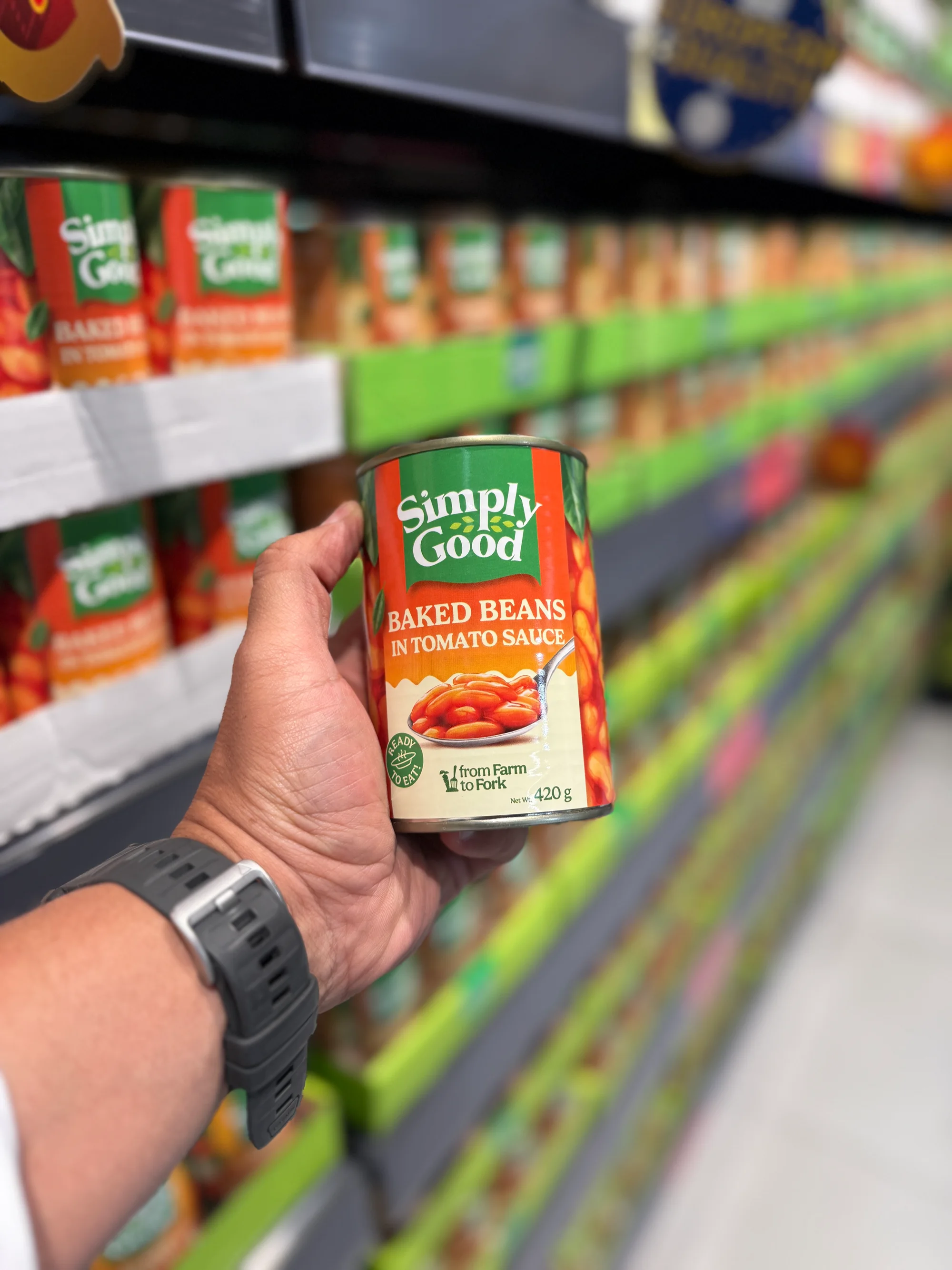

Eight Checks That Separate Agencies
1. Coverage Footprint
Ask where the agency has active teams today across Dubai, Abu Dhabi, Sharjah and the Northern Emirates. Existing coverage in your target chains can shorten deployment and improve leave cover. Request the proposed route, visit frequency and daily productivity assumptions—not just a map of the UAE.
2. Employment and Payroll Discipline
Confirm who employs the merchandisers, how wages are paid, what insurance is provided and how documentation is maintained. Ask for a clear explanation of UAE Wage Protection System processes and the evidence the agency can share without exposing employee data.
3. Field Technology
See the live application used in stores. The essentials are simple: outlet master data, GPS-supported attendance, guided tasks, clear photos, issue tagging and a dashboard that allows the brand to investigate by store and date. Technology should help the team act, not create a larger archive of photos.
4. KPIs and Service Levels
Put the expected visit frequency, on-shelf availability, planogram compliance, display execution, photo validity and issue-closure time into the service schedule. Metrics should have a defined formula, data source and owner.
The merchandising execution loop
- 01 Plan Set the outlet universe and visit frequency.
- 02 Visit Guide each task and capture evidence.
- 03 Verify Review availability, display and compliance.
- 04 Correct Assign issues and confirm closure.
5. Supervision Model
Ask for named supervisors, realistic spans of control, ride-along frequency and an escalation route for retailer issues. The supervisor should coach execution quality and close problems—not only chase attendance.
6. Pricing Clarity
Request every quote against the same store list and service model. Identify whether the price includes transport, devices, mobile data, leave replacement, supervisors, reporting technology and management fees. A low monthly head rate is not comparable if necessary operating costs appear elsewhere.
7. Category Evidence
Ask for references in a similar category and channel. Fresh food, beauty, electronics and ambient FMCG require different visit routines and skills. Speak to references about difficult months, attrition and problem resolution—not only launch speed.
8. Data Ownership and Exit
The brand should be able to retrieve its outlet master, historical reports and programme evidence in an agreed format. Document what happens to the team, devices, data and open issues when the contract ends.
Choose the Right Commercial Model
- Dedicated team: best for large store universes, frequent visits and complex execution.
- Shared coverage: useful for smaller brands that need professional visits without full-time people.
- Per visit: suitable for variable or tightly defined store work.
- Project: appropriate for launches, resets, audits and seasonal programmes.
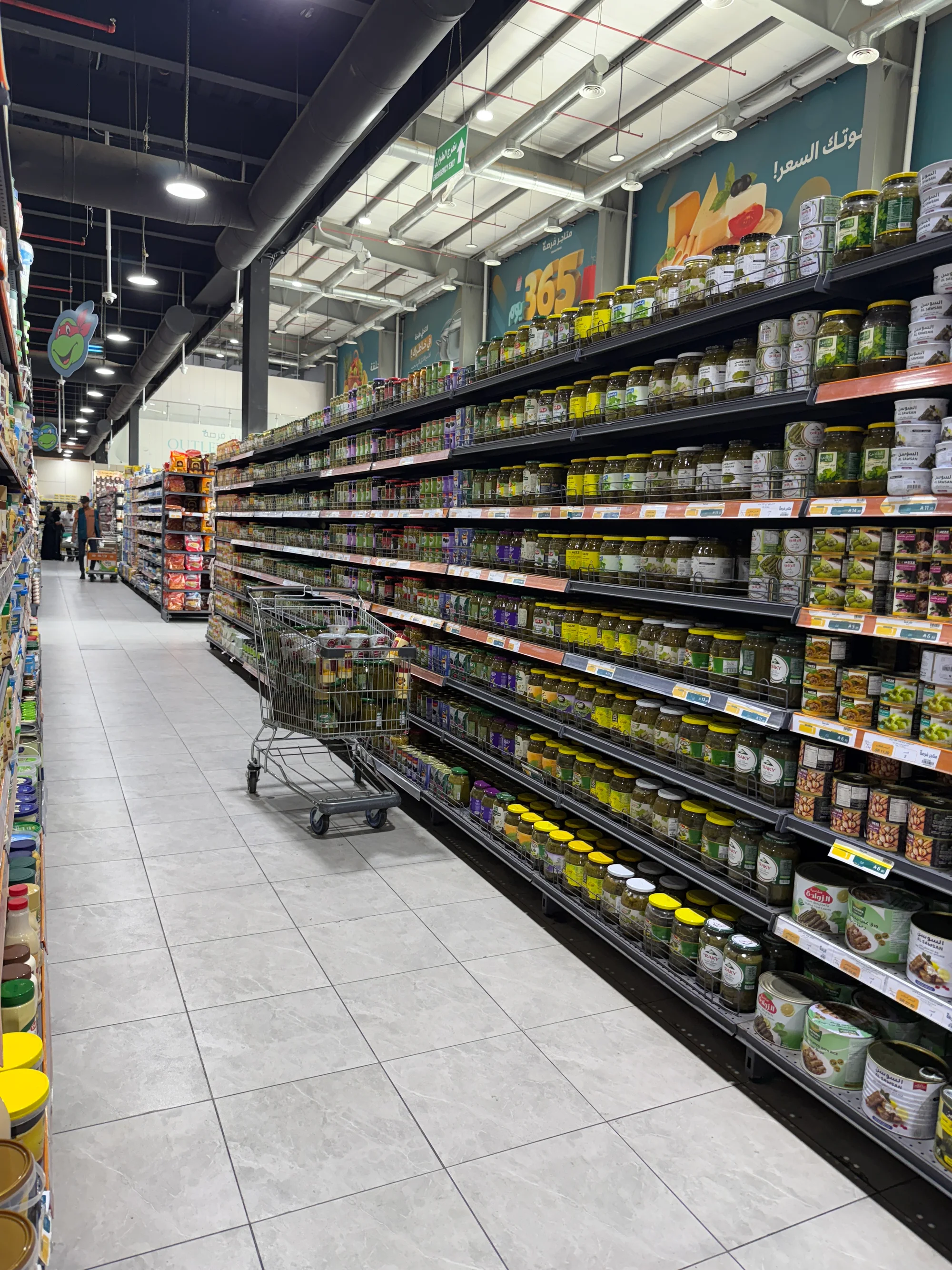
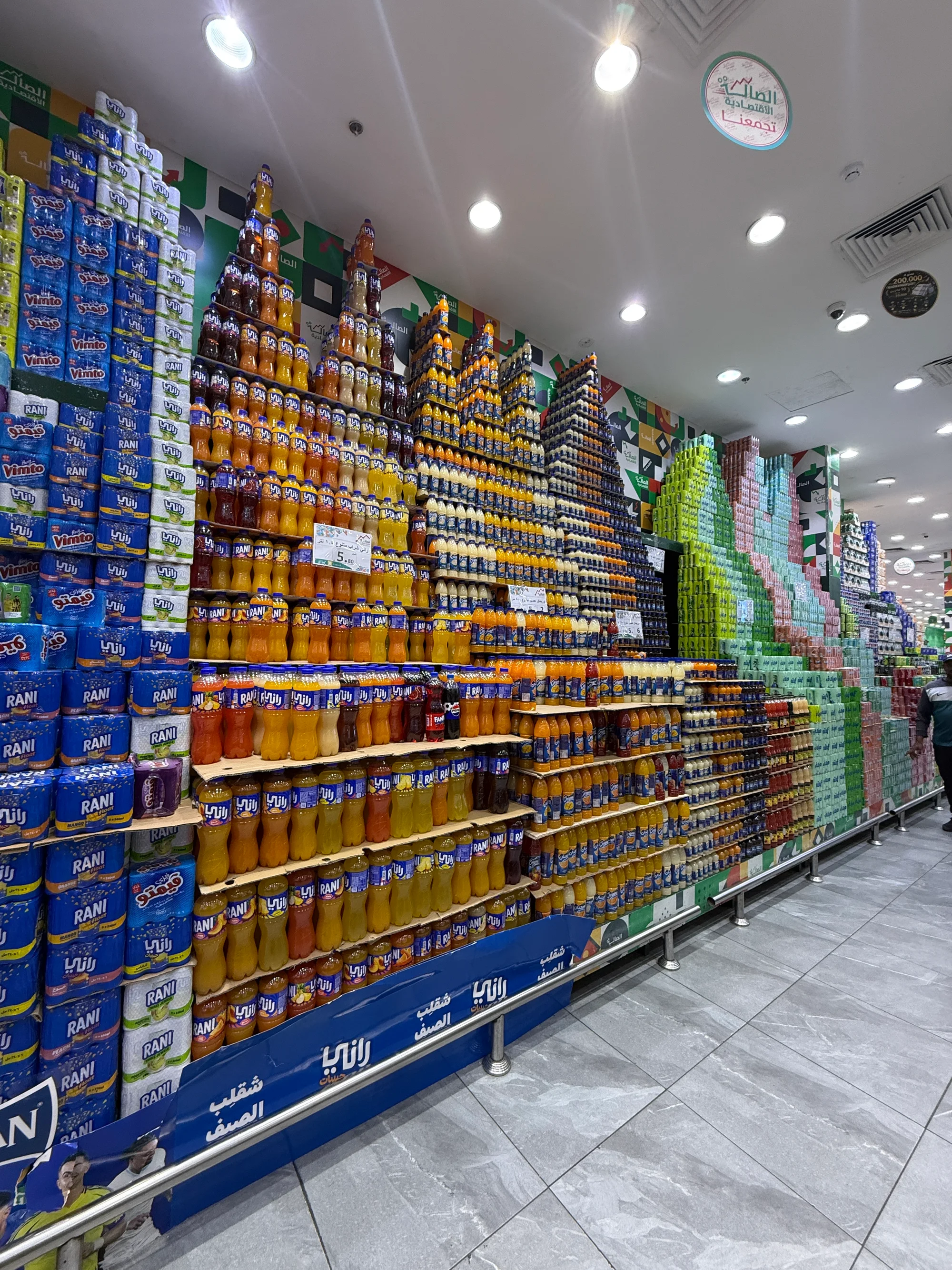
Get a Coverage Plan, Not Just a Rate
Channelplay manages UAE merchandising programmes with trained field teams, supervision, store-level reporting and defined execution KPIs. Send us your outlet list and required visit frequency and we will map the team, route and commercial model needed to cover it.
See our visual merchandising services and the retail execution KPIs GCC brands should track.