
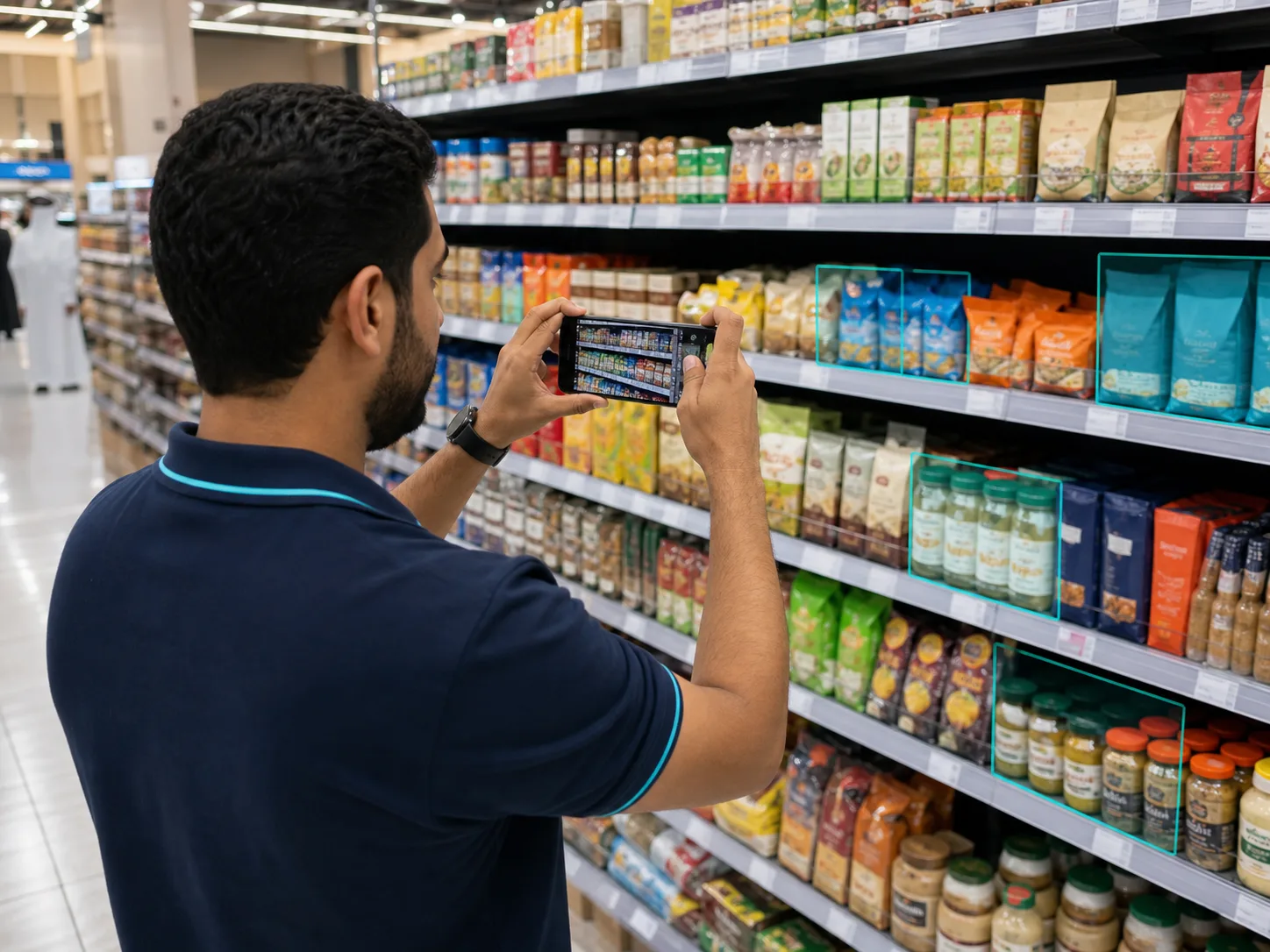
AI shelf recognition promises a faster way to measure availability, facings, share of shelf and planogram compliance. Yet many pilots struggle before the model has a fair chance to prove its value.
The reason is operational. A model cannot compensate for incomplete product catalogues, inconsistent photographs, unclear KPI definitions or alerts that never reach the field team. Successful pilots treat image recognition as part of a retail execution system—not as a standalone technology demonstration.
The Shelf Is Not a Controlled Environment
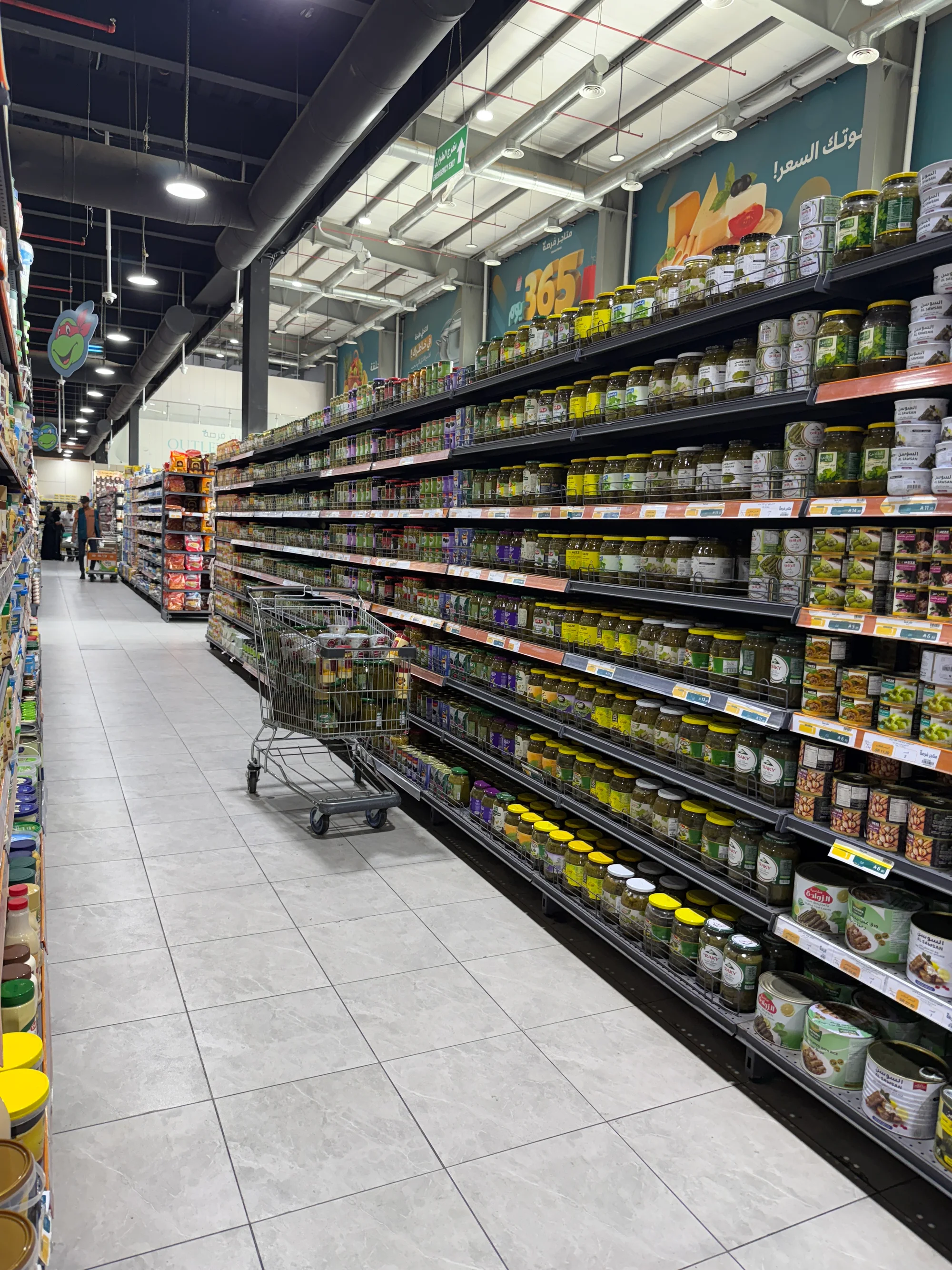
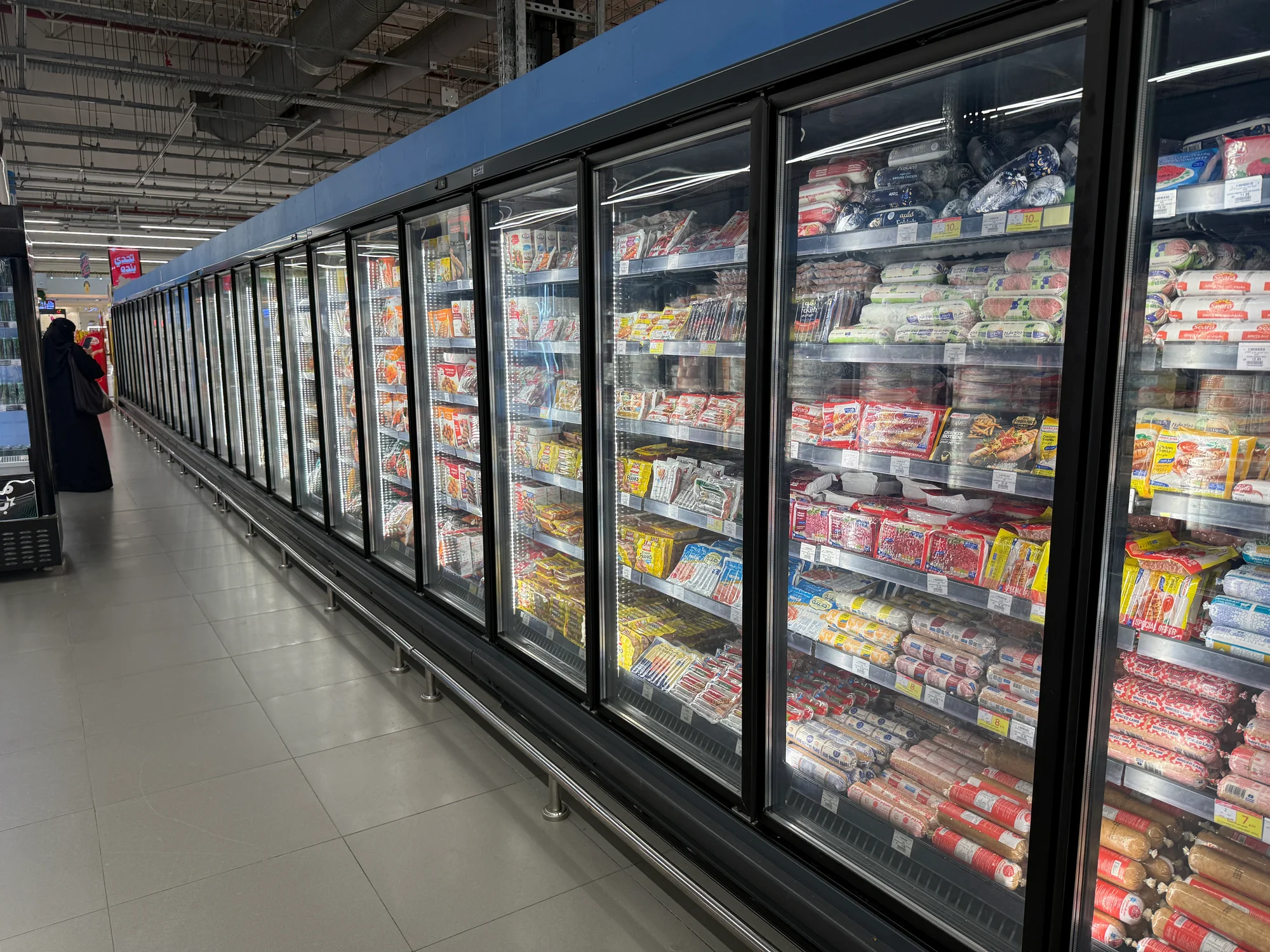
Real GCC stores create difficult visual conditions. Glossy packaging reflects overhead lighting. Products overlap. Promotional sleeves change pack appearance. Shelf strips cover lower labels. New variants arrive before the master catalogue is updated, while different retailers may arrange the same category in completely different ways.
A pilot designed only with clean reference images will therefore look impressive in testing and become unreliable in the aisle. The recognition model needs examples from the actual markets, retailers, categories and store formats where it will operate.
Bad Capture Creates Bad Intelligence
The quality of the result begins before the photograph is taken. A tilted image, a cropped bay, motion blur or a person blocking the shelf can change what the system sees. Asking every merchandiser to “take a shelf photo” is not a capture standard.
Field teams need a guided routine: stand at the correct distance, keep the camera square to the bay, capture the full shelf, avoid obstruction and retake images that fail basic quality checks. Offline-first capture is equally important where store connectivity is weak.
The Product Catalogue Is Part of the Model
Recognition depends on knowing what it is looking for. The brand and competitor SKU library must include pack sizes, flavours, promotional sleeves and regional variants. Store masters, retailer lists and planograms must also be current enough to give the detection commercial meaning.
If the reference data is weak, the model may be blamed for a catalogue or governance problem. Clean masters are not background administration; they are part of the recognition system.
Accuracy Is a Measured Improvement Process
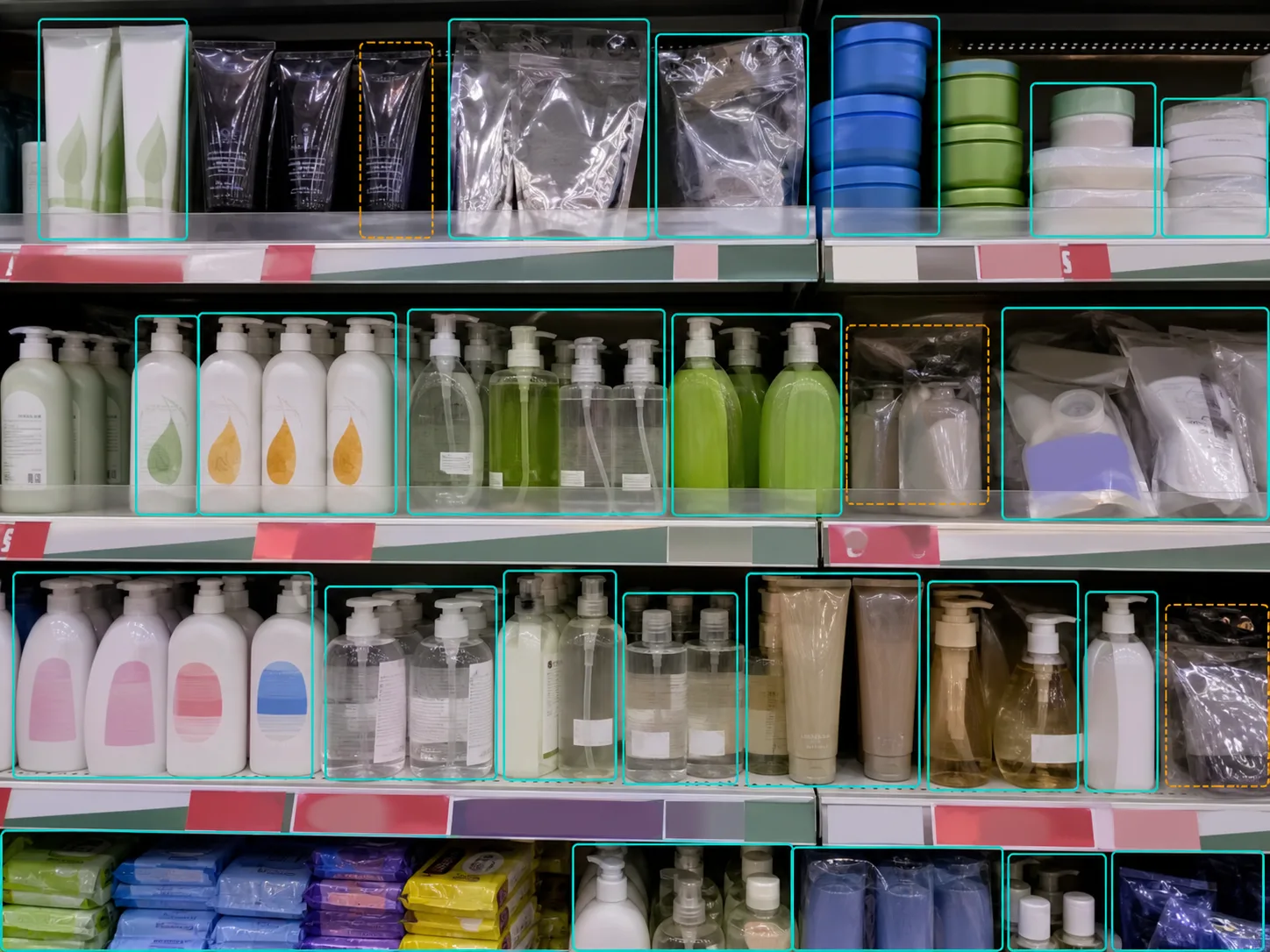
A credible pilot does not present one headline accuracy number and stop there. It defines the visual KPIs, creates a human-checked validation sample and tracks performance by SKU, retailer and store condition. Errors are reviewed, new images are added and the model is tuned against what teams actually encounter.
This is why a controlled pilot is more useful than an immediate broad rollout. It creates the training evidence, capture discipline and operational confidence required to scale.
A Detection Is Not a Resolution
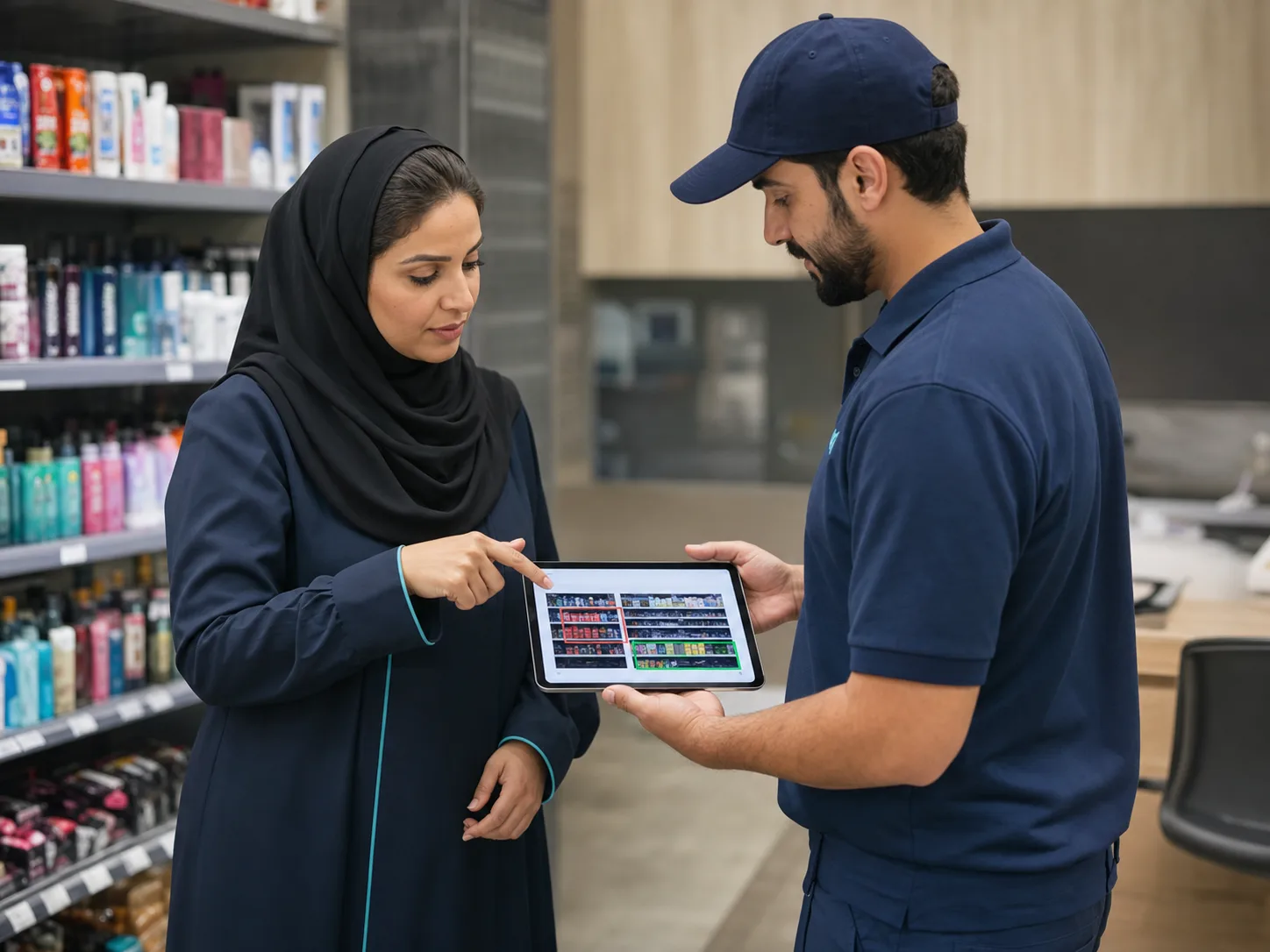
Identifying an out-of-stock product or a planogram gap has no commercial value if the issue remains on a dashboard. Each important exception needs an owner and a practical next step: replenish from backstock, correct a facing, replace POSM, brief store staff or escalate a supply issue.
This connects directly with real-time retail execution. Recognition creates visibility; the field operating model converts that visibility into action and confirms whether the shelf was corrected.
Design the Pilot Around Decisions
Start with a defined category, selected retailers, representative store formats and a manageable list of priority SKUs. Choose only the KPIs that will trigger a real business decision. Agree the capture method, validation sample, exception workflow and review cadence before go-live.
- Which shelf conditions and retailers must the pilot represent?
- Which SKUs and competitors require reliable recognition?
- Who validates uncertain detections and improves the reference set?
- What action follows an availability, facing or planogram exception?
- How will the team prove that an issue was resolved?
Where Channelplay Fits
Channelplay connects the technology layer to the realities of store execution. Our role can combine trained promoters and merchandisers, guided mobile capture, product and store configuration, supervisor validation, reporting and corrective action across GCC retail.
The objective is not to generate more shelf data. It is to reduce low-value manual counting, improve the consistency of store intelligence and help field teams act faster. For category-specific applications, see our guide to AI retail audits for cosmetics stores, or speak with Channelplay about designing a measurable shelf-recognition pilot.