
Fresh Vegetable Merchandising vs Standard FMCG Merchandising: What’s Different?
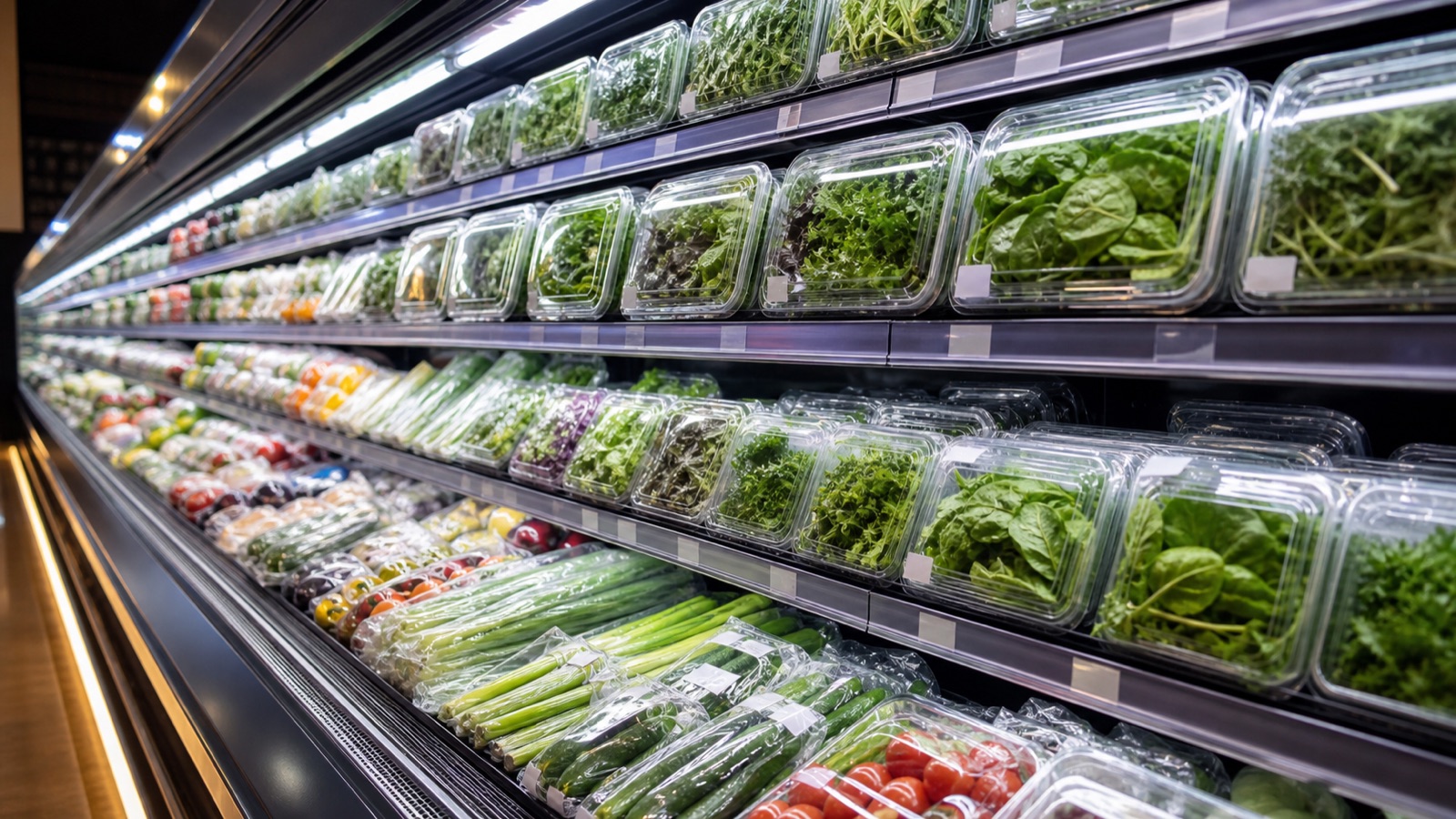
Fresh vegetables look simple on the shelf, but they are one of the most operationally demanding categories in retail. A canned product can survive a missed visit. A leafy green, salad pack, tomato punnet or fresh herb cannot.
That is why fresh vegetable merchandising should not be treated as standard FMCG merchandising with a shorter shelf life. The category needs a different rhythm, different people, different KPIs and much faster escalation.
Standard FMCG merchandising protects presence
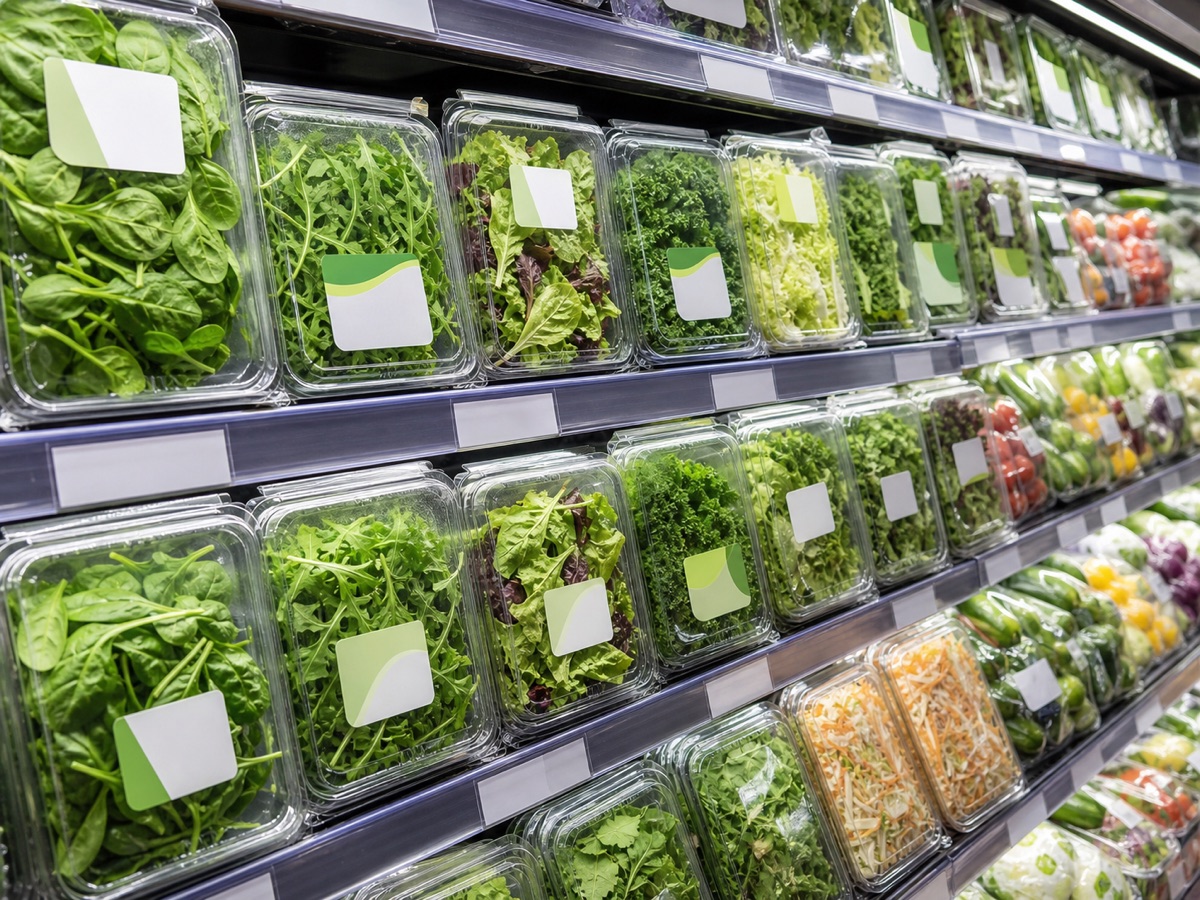
In standard FMCG, the merchandising job is usually built around availability, planogram compliance, price checks, promotion execution, POSM visibility, facings and share of shelf. These are critical, but the product itself is usually stable enough to wait for the next visit.
For long-shelf products, the merchandiser can focus heavily on whether the SKU is present, priced correctly and displayed according to the planogram. If execution is poor, the brand may lose sales, but the stock does not usually become unsellable within days.
Fresh vegetable merchandising protects time
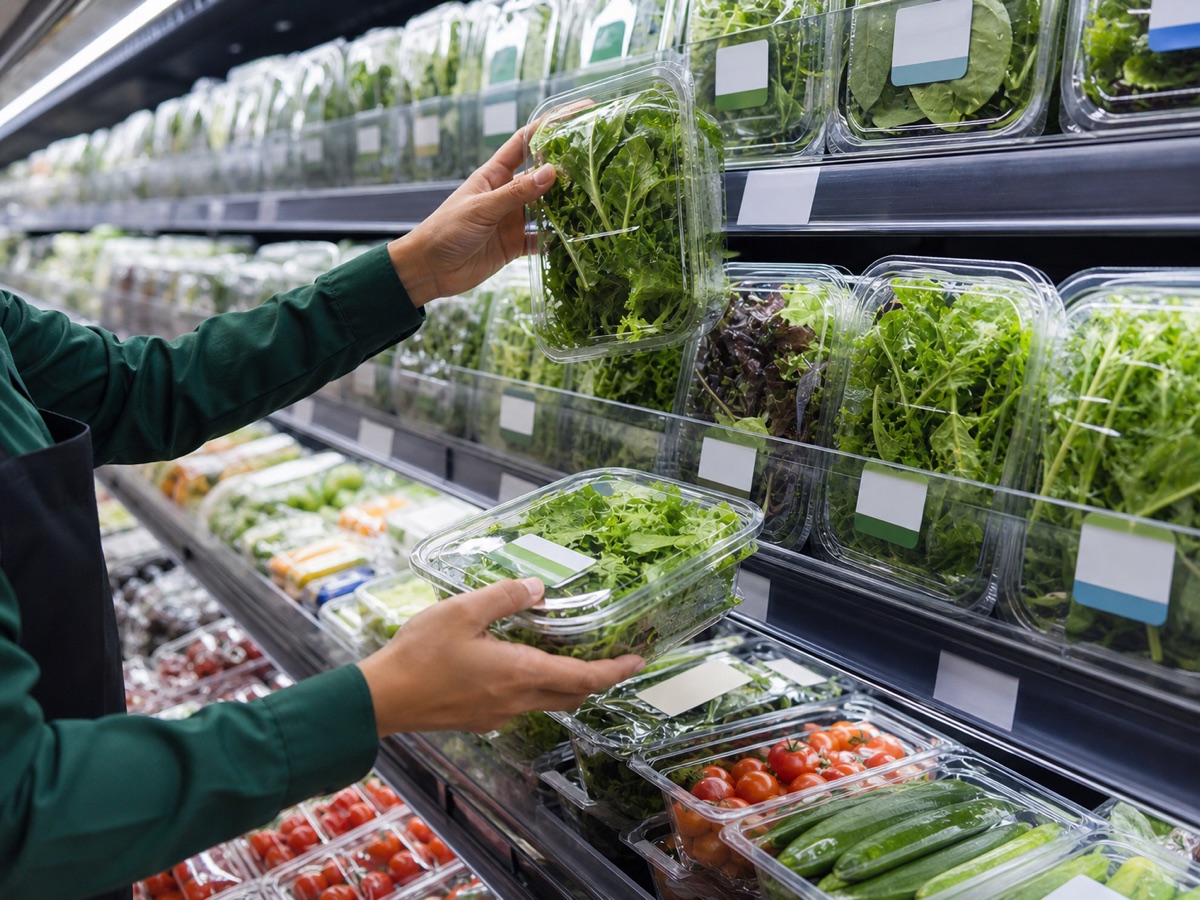
Fresh vegetables add a new dimension: time. Every hour affects appearance, quality, shopper confidence and waste. The shelf must be checked for freshness, packaging condition, rotation, stock gaps and items that should move into return or removal workflows.
This changes the work. A fresh vegetable merchandiser is not only asking, “Is the product on shelf?” They are asking, “Is the right product on shelf, in the right condition, with the right date, in the right quantity, before the shopper reaches the aisle?”
The backroom matters as much as the shelf
One of the biggest hidden problems in fresh categories is false out-of-stock. The shelf looks empty, while sellable stock sits in the backroom. For shoppers, the brand is unavailable. For the commercial team, the sale is lost even though inventory exists.
Fresh vegetable merchandising must include stock count, backroom check and immediate replenishment. The shelf is only the visible part of the job. The real discipline is connecting backroom stock to shopper-visible availability before the product loses freshness.
FIFO and freshness are not optional
FIFO rotation is important in many categories, but in fresh vegetables it becomes a brand protection rule. Older packs must move forward, newer stock must sit behind, and near-expiry or damaged items must be flagged before they create shopper complaints or retailer friction.
Freshness checks should look at date, packaging integrity, visual quality, condensation, damage, wilt, bruising and whether the display still communicates premium quality. The shopper often buys fresh produce with their eyes first.
RTV is part of merchandising, not admin
Return-to-vendor workflows are often treated as back-office work. In fresh produce, they are part of daily shelf execution. Damaged, expired or unsellable products need to be documented, photographed and processed according to retailer protocol.
Good RTV discipline protects margin, reduces confusion with store teams and builds retailer trust. Poor RTV discipline leaves waste invisible until it becomes a commercial dispute.
The KPI set must change
Fresh vegetable merchandising should not be judged by visit completion alone. A store can be visited and still fail on what matters.
- On-shelf availability by priority SKU.
- Backroom-to-shelf replenishment speed.
- FIFO compliance and date-check completion.
- Zero expired or visibly damaged product on shelf.
- RTV accuracy and documentation quality.
- Share of shelf and facing compliance.
- Promotion and price compliance where applicable.
How Channelplay can help
Channelplay supports fresh vegetable brands with dedicated, category-trained merchandisers who focus on shelf execution rather than sales negotiation. The team follows fixed journey plans, checks freshness and availability, replenishes from backroom stock, validates planograms, tracks share of shelf and documents RTV actions with photo proof.
The operating model is supported by field technology: geo-fenced attendance, store-level forms, photo validation, SKU availability reporting, freshness alerts, competitor monitoring and dashboards that help managers act quickly.
The bottom line
Standard FMCG merchandising protects visibility. Fresh vegetable merchandising protects visibility, freshness, time and trust. Brands that understand this difference are better placed to reduce waste, improve availability and win the fresh aisle every day.