
Merchandiser Performance Management: KPIs, Training and Field Tech for KSA & UAE Retail
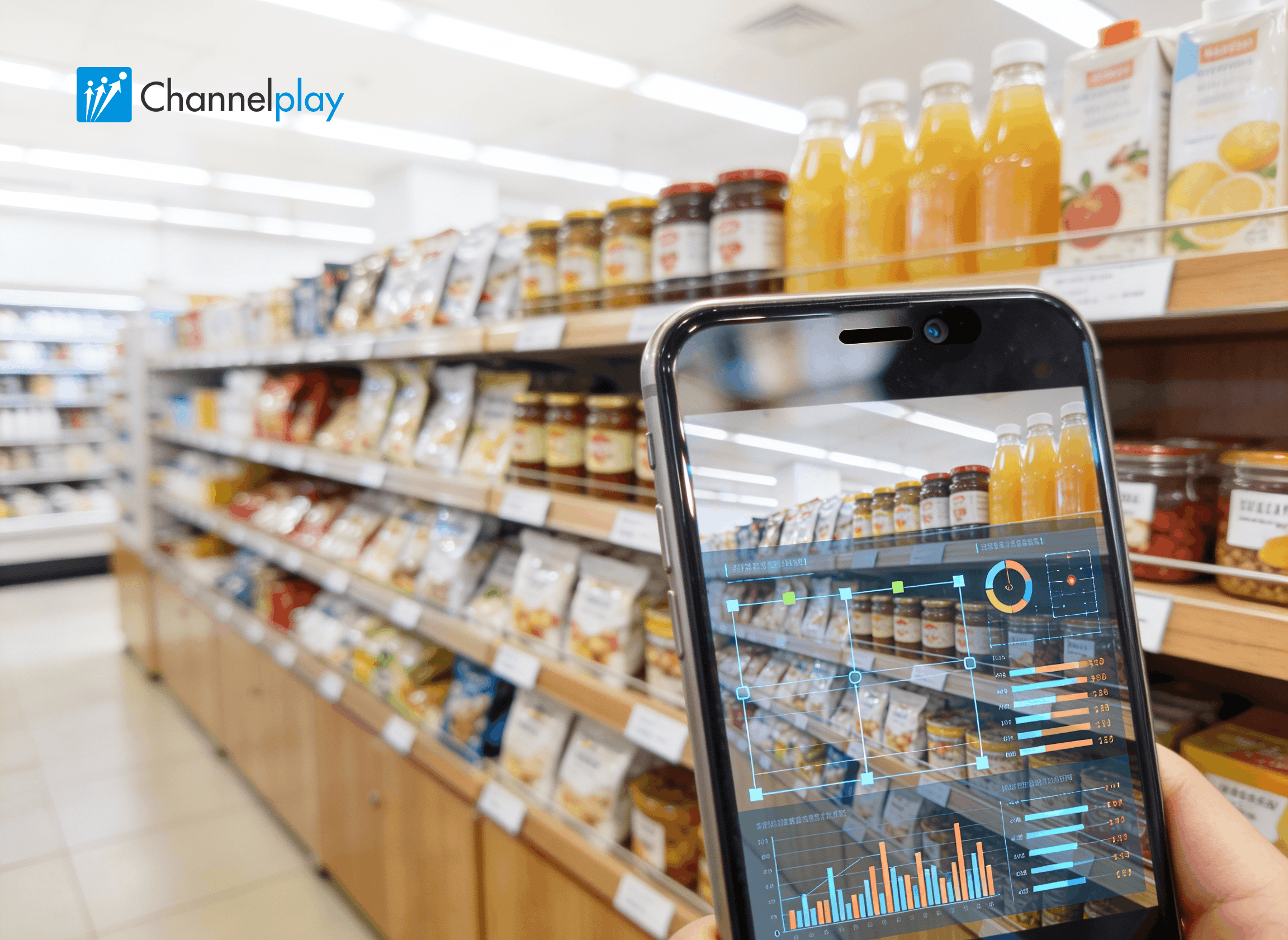
Many merchandising programmes can prove that a merchandiser visited the store. Fewer can prove that the shelf improved because of that visit.
That is the real challenge for FMCG brands in Saudi Arabia and UAE: moving from attendance tracking to performance management. The goal is not more reporting. The goal is better action in stores.
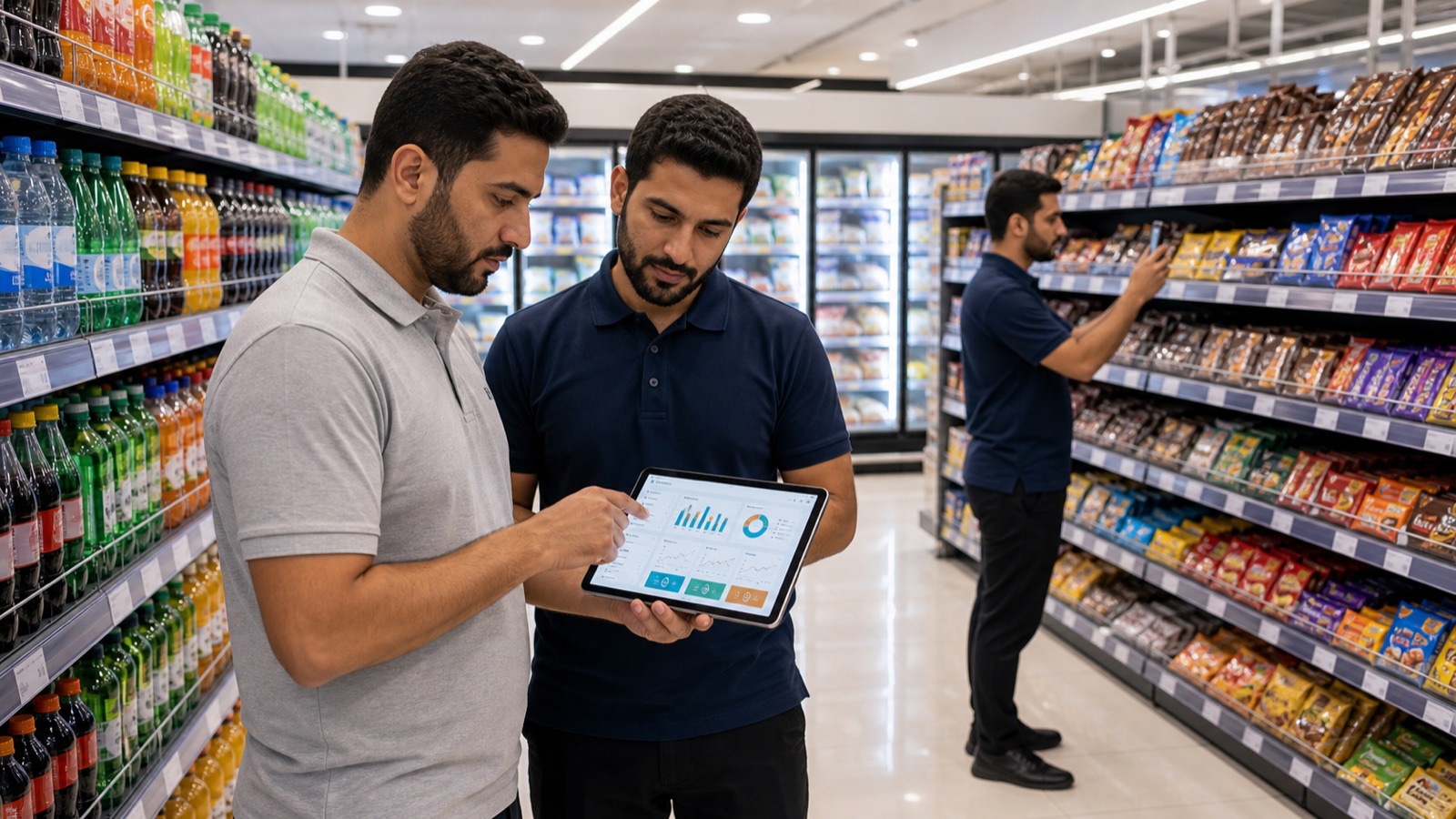
Attendance is not accountability
Geo-fenced attendance and outlet check-ins are useful, but they are only the start. A completed visit does not guarantee replenishment, correct facings, promotion compliance, price accuracy, FEFO rotation or issue closure.
Performance management asks a sharper question: what changed on the shelf because the merchandiser was there?
The KPIs that should guide daily action
For FMCG merchandising teams, the practical KPI set usually includes on-shelf availability, share of shelf, planogram compliance, price and promotion compliance, FEFO or FIFO rotation, freshness or hygiene checks, competitor activity, photo proof quality and issue closure time.
Different categories need different emphasis. Beverage teams may focus on cold availability, stock depth and secondary displays. Confectionery teams may focus on impulse visibility and fixture compliance. Frozen food teams may focus on cabinet condition, door-level availability and expiry discipline.
Convert KPIs into repeatable behaviours
KPIs should not live only in dashboards. Each KPI should become a field routine that a merchandiser can repeat and a supervisor can audit.
- OSA becomes shelf check, backroom check and replenishment action.
- SOS becomes facing count, competitor comparison and photo proof.
- Planogram compliance becomes fixture check and correction.
- FEFO becomes date review, rotation and escalation.
- Promotion compliance becomes display, price and POSM validation.
Photo proof needs validation
Photo reporting is useful only when it proves the right thing. A shelf photo should show the product, the bay, the facings, the price or the issue clearly enough for a supervisor to validate action.
For large teams, photo proof should be supported by mobile forms, required image angles, supervisor approval and exception reporting. This helps separate real execution from checkbox reporting.
Training should be continuous
Performance gaps often repeat when training happens only at onboarding. A better system uses micro-learning, quick tests, monthly learning pulses and targeted refreshers based on field data.
If planogram compliance drops in one city, train that city. If FEFO errors rise in frozen food, refresh that module. If photo proof quality is weak, coach on examples. Training becomes more useful when it responds to real field patterns.

Use governance to close the loop
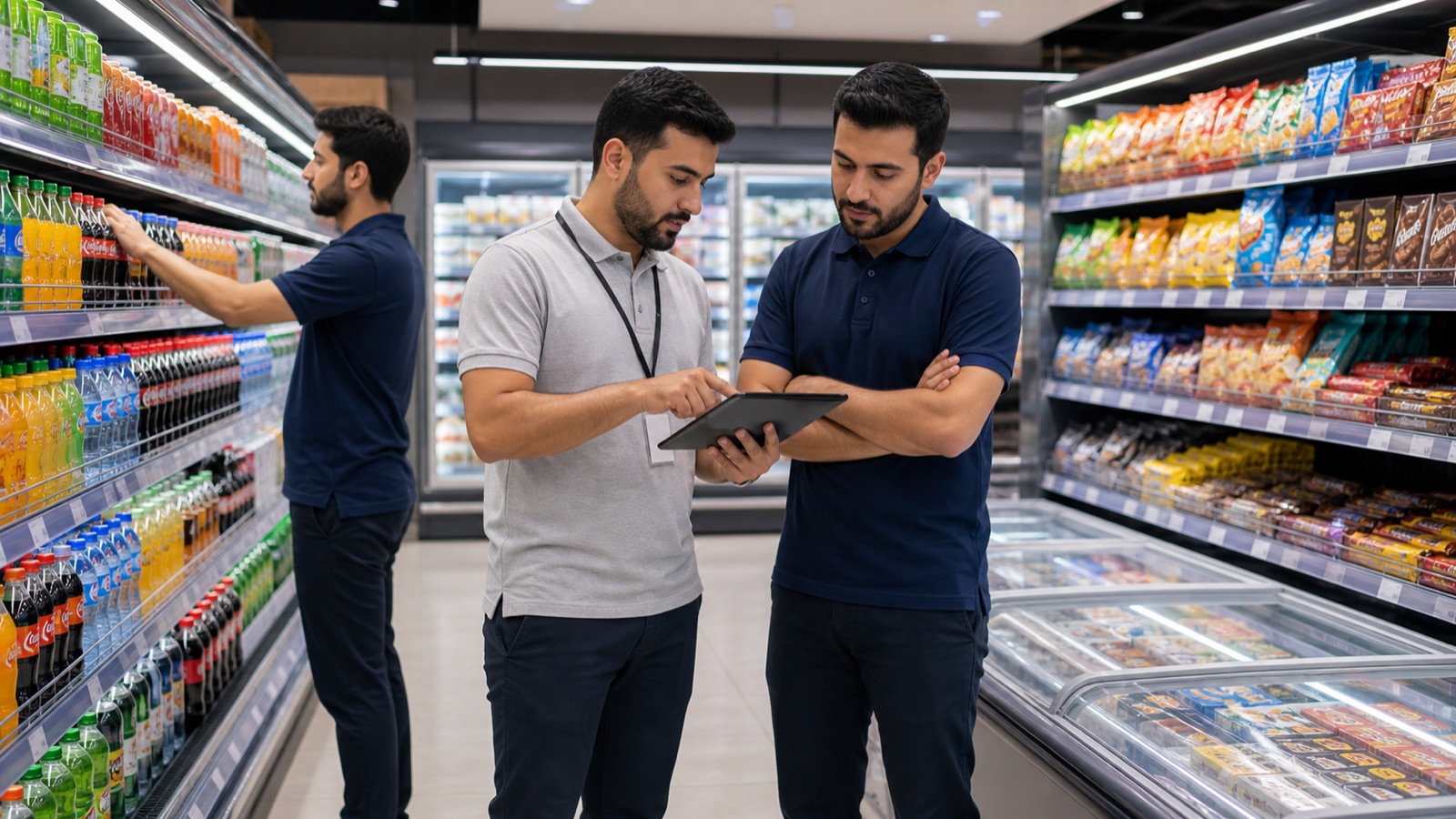
Weekly reviews should focus on immediate execution: attendance, OSA, SOS, planogram breaks, issue logs and training interventions. Monthly reviews should compare stores, cities, supervisors and category performance. Quarterly reviews should look at team health, attrition, SLA performance and improvement plans.
This rhythm gives FMCG leaders control over field execution without waiting for problems to become retailer complaints.
How Channelplay can help
Channelplay combines trained merchandisers, supervisor governance and field technology to manage performance across KSA and UAE retail. Store visits can be structured around category-specific KPIs, photo evidence, geo-tagged attendance, dashboards, alerts and issue closure workflows.
The operating model helps brands move from “we visited the store” to “we know what changed on the shelf.”
The bottom line
Merchandiser performance management is not a report. It is a daily operating system. FMCG brands that connect people, KPIs, training and technology are better placed to protect availability, visibility and shelf standards across Saudi Arabia and UAE.