
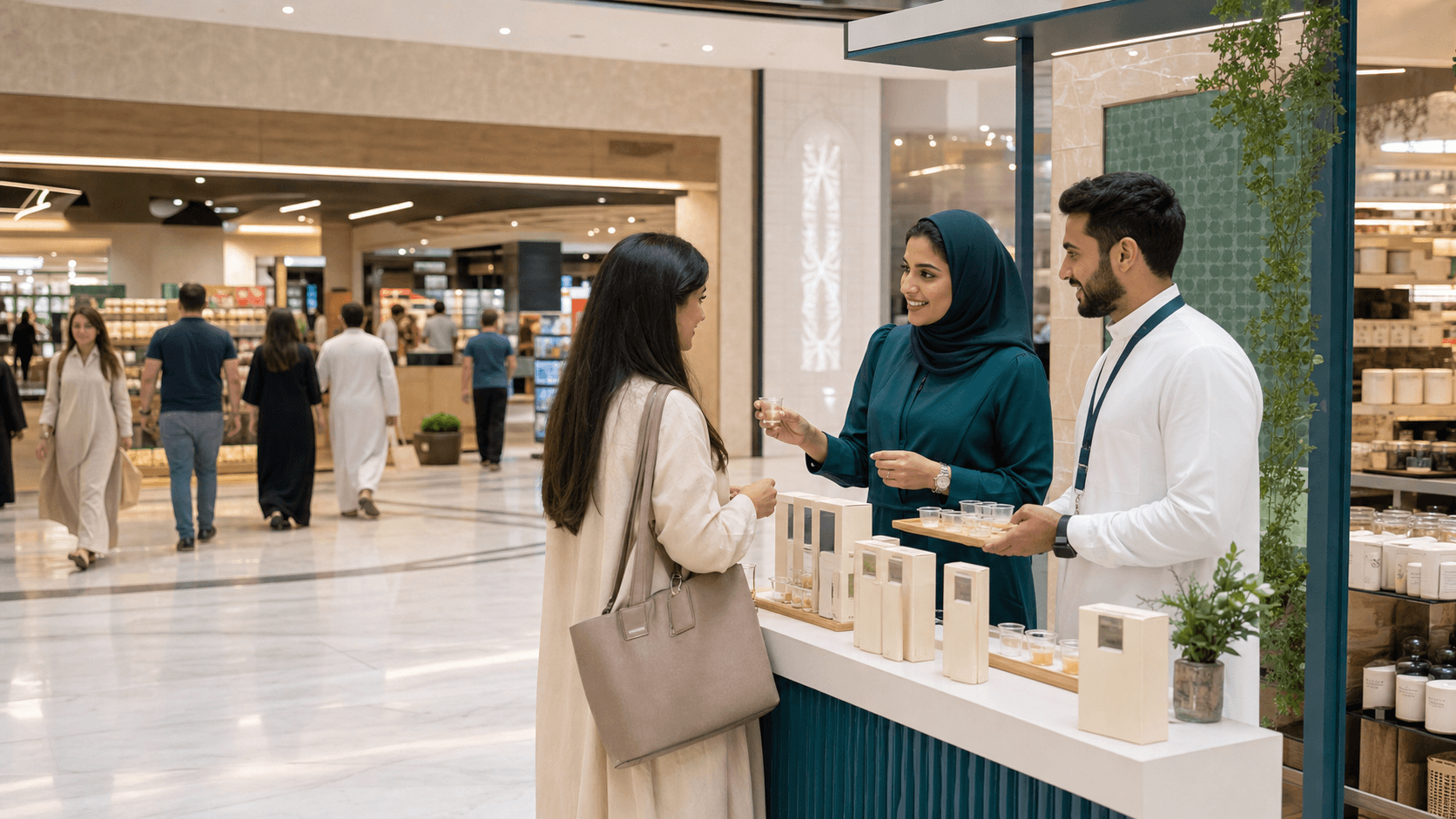
In-store sampling and brand activation put the product and a trained person in front of shoppers at the moment of choice. For food and beverage, that may mean a tasting. Beauty brands use testers and consultation. Electronics and appliances use live demonstrations. Other categories use gifts with purchase, games or short product experiences.
The format matters less than the operating logic: choose stores where the target shopper is present, give the promoter a clear conversion task, protect execution quality and measure what happened beyond the number of samples distributed.
Choose the Activation Format Around the Objective
- Taste sampling: useful for new food, beverage and flavour launches.
- Demonstration: effective when features or usage need explanation.
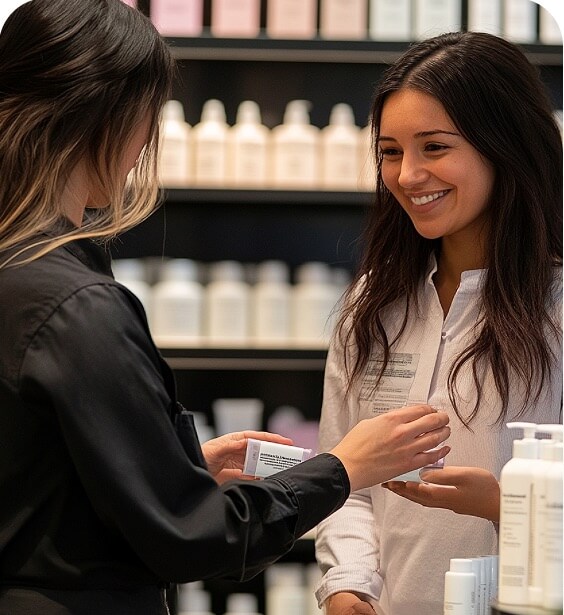
- Tester consultation: suited to beauty, fragrance and personal care.
- Gift with purchase: connects the experience directly to a transaction.
- Experiential stand: creates deeper interaction when the brand story needs more than a quick trial.
Activation is strongest when the objective is trial, conversion, relaunch or competitive switching. If the only objective is broad reach, other media may deliver contacts more efficiently.
The Promoter Is the Programme
A strong promoter does more than offer a sample. They identify the right shopper, open with a relevant question, explain the product in a few clear lines, handle objections and direct the shopper to purchase. Recruitment should therefore test communication, energy, language, product-learning ability and comfort with the category.
Training should include the product story, target shopper, demonstration routine, hygiene or safety requirements, offer mechanics, objection handling, reporting and when to escalate. Supervisors need a live view of attendance and stock, plus enough time in stores to coach behaviour.
Plan Stores, Shifts and Stock Together
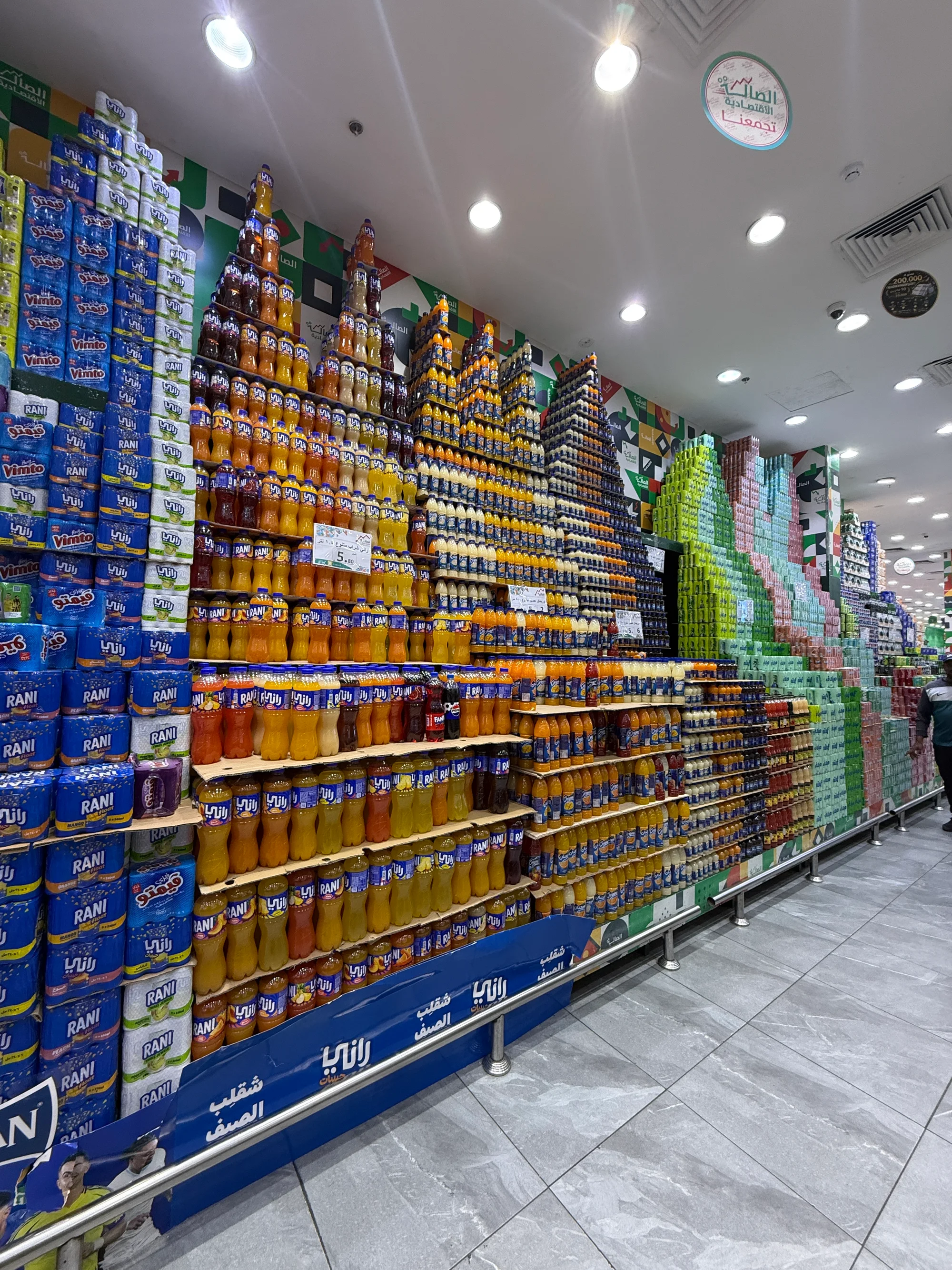
The best activation can fail if sampling stock arrives late, the team is scheduled outside peak traffic or the product is unavailable on shelf. Build one launch plan covering store approvals, space, staffing, equipment, consumables, stock allocation, shift timing and replenishment.
Tier outlets by expected opportunity. Flagship stores may justify longer shifts and a premium demonstrator; lower-volume outlets may need shorter, targeted windows. Use a small pilot to test conversion and refine the script before rolling out broadly.
Handle Permissions and Employment Early
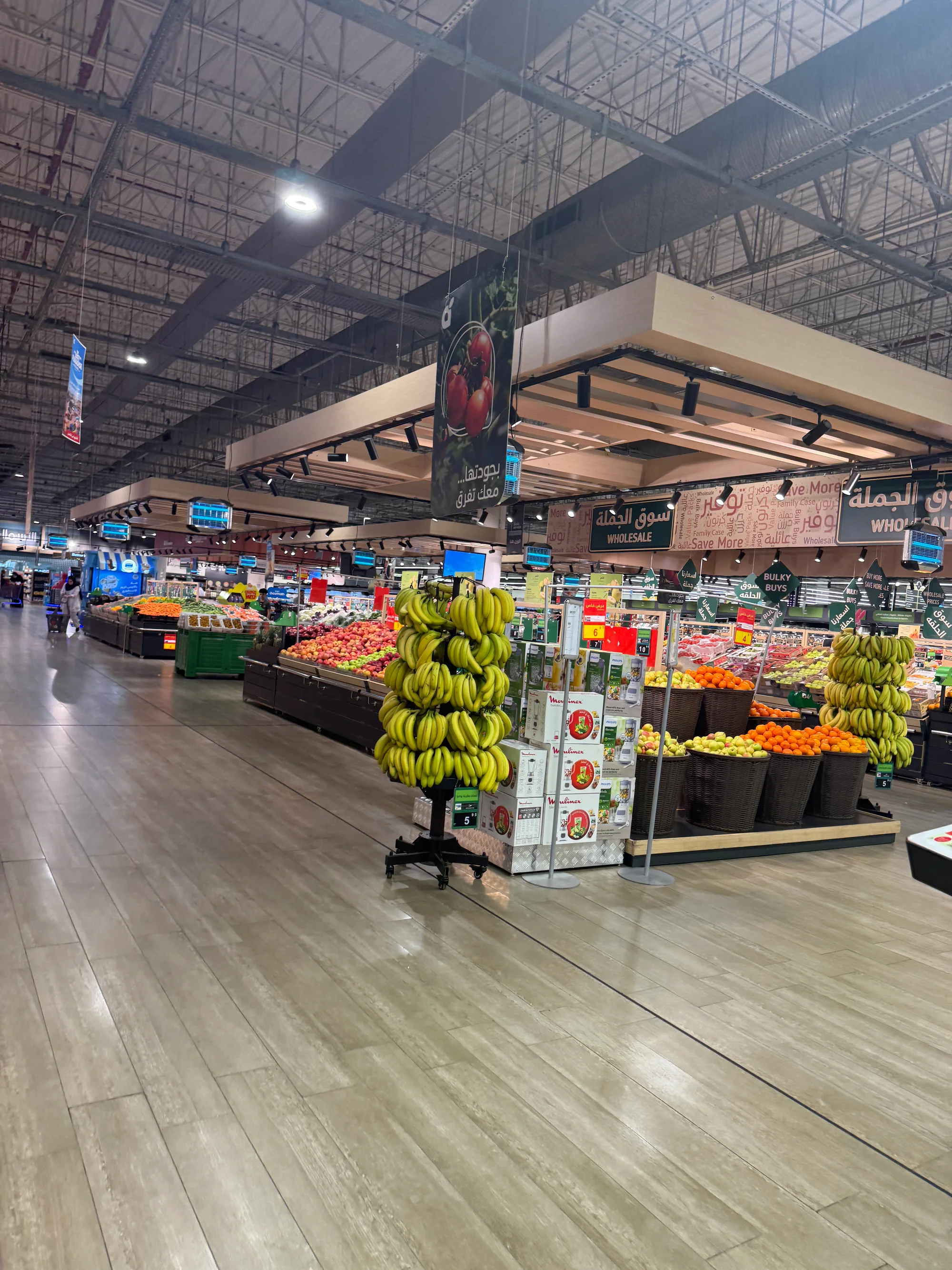
Retailers and malls commonly require advance approval for activation space, branding, equipment and team access. Food or beverage sampling can involve additional hygiene, handling or municipality requirements depending on the product and location. Confirm the responsible party and required lead time with the retailer and relevant authorities before committing campaign dates.
Employment and localisation treatment also depends on the role, employer and market. Ask the activation partner to document how the team will be employed, trained, insured and approved for the site. Do not rely on a single GCC-wide compliance statement.
Measure Conversion, Not Just Activity
Agree the baseline and KPIs before launch. Units sampled are an activity measure; they do not show whether the campaign created incremental buyers.
- Eligible shopper interactions and completed trials.
- Same-visit purchases or redeemed offers.
- Conversion rate from qualified interaction to sale.
- Cost per trial and cost per acquired buyer.
- Sales lift against a prior period or matched comparison stores.
- Top objections, questions and competitor references by location.
From shopper contact to campaign learning
- 01 Engage Approach the right shopper at the right time.
- 02 Trial Deliver a clear, safe product experience.
- 03 Convert Connect the interaction to purchase.
- 04 Measure Compare conversion, cost and sales lift.
Choose an Activation Partner on Execution
Ask to meet sample promoters, review the training plan, inspect live reporting and understand the no-show replacement process. Confirm which party handles retailer bookings, permits, stands, sampling stock and logistics. Pricing is only comparable when those responsibilities are identical.
Plan a Measurable GCC Activation
Channelplay recruits, trains and manages promoters for sampling, demonstrations and in-store campaigns across the UAE and Saudi Arabia, with field supervision and store-level reporting. Send us the product, target stores, dates and campaign objective and we will map the staffing, operating plan and measurement approach.
See our sales promoter service and guide to how skilled promoters support retail performance.