
How to Build a High-Performance FMCG Merchandising Team in KSA & UAE
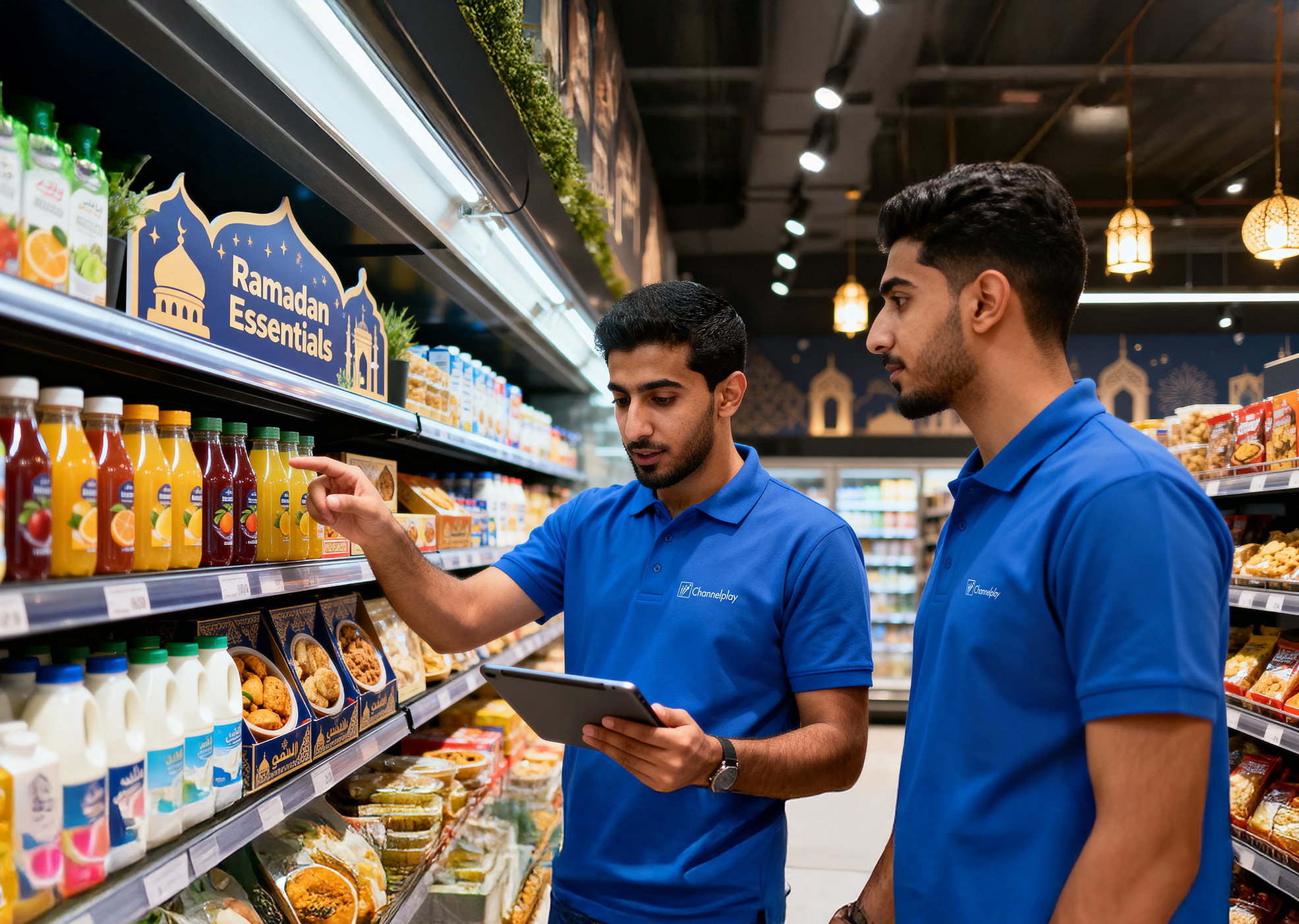
Strong merchandising results do not come from headcount alone. They come from the right people, trained on the right behaviours, managed through the right rhythm and supported by field technology that makes store execution visible.
For FMCG brands in Saudi Arabia and UAE, this matters because modern trade stores move fast. Beverage shelves, confectionery bays, frozen food doors, dairy chillers and impulse displays all need different execution habits. A good merchandiser must understand the shelf, the category, the store team and the KPI behind every action.

Why the people side of merchandising matters
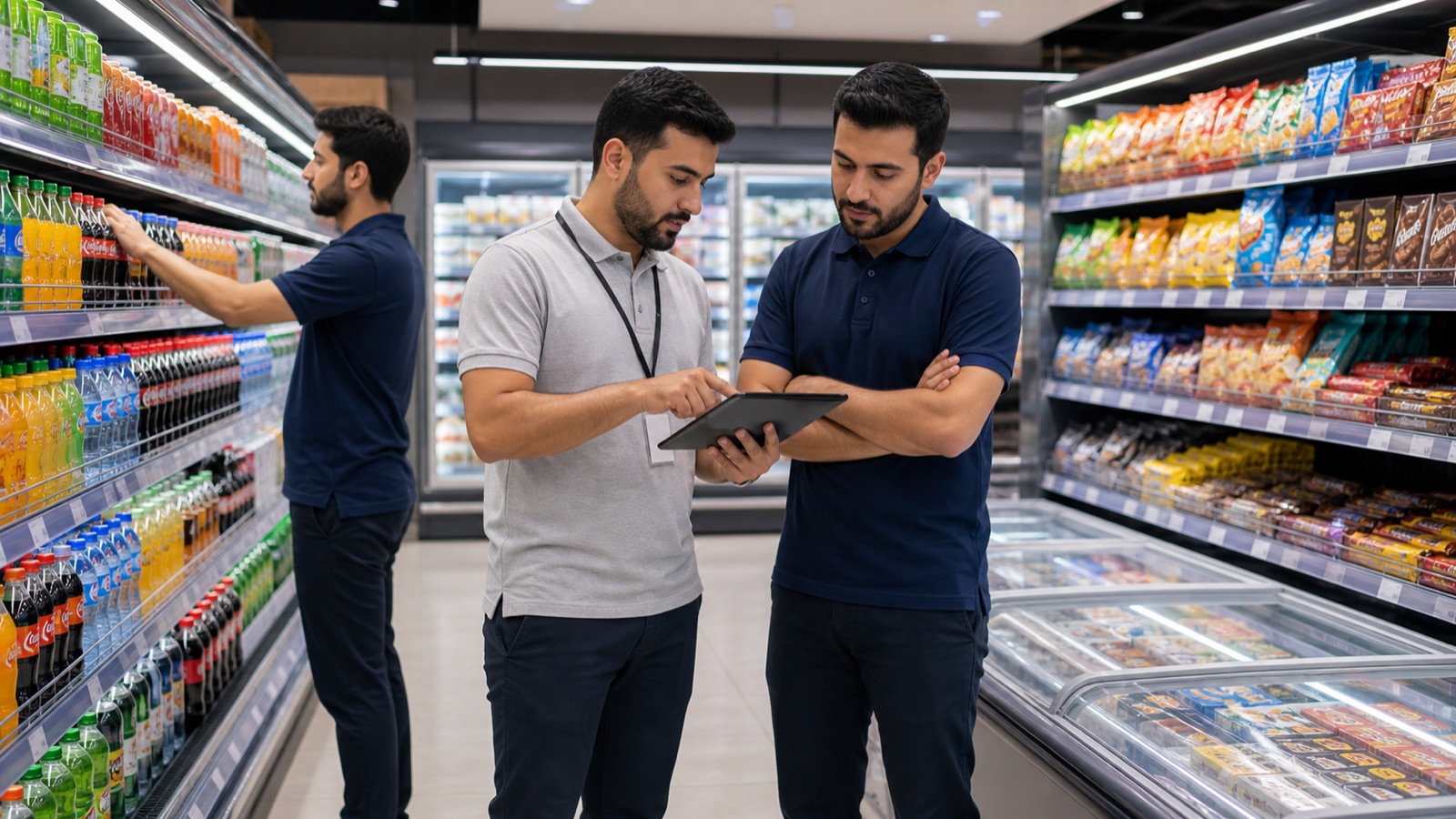
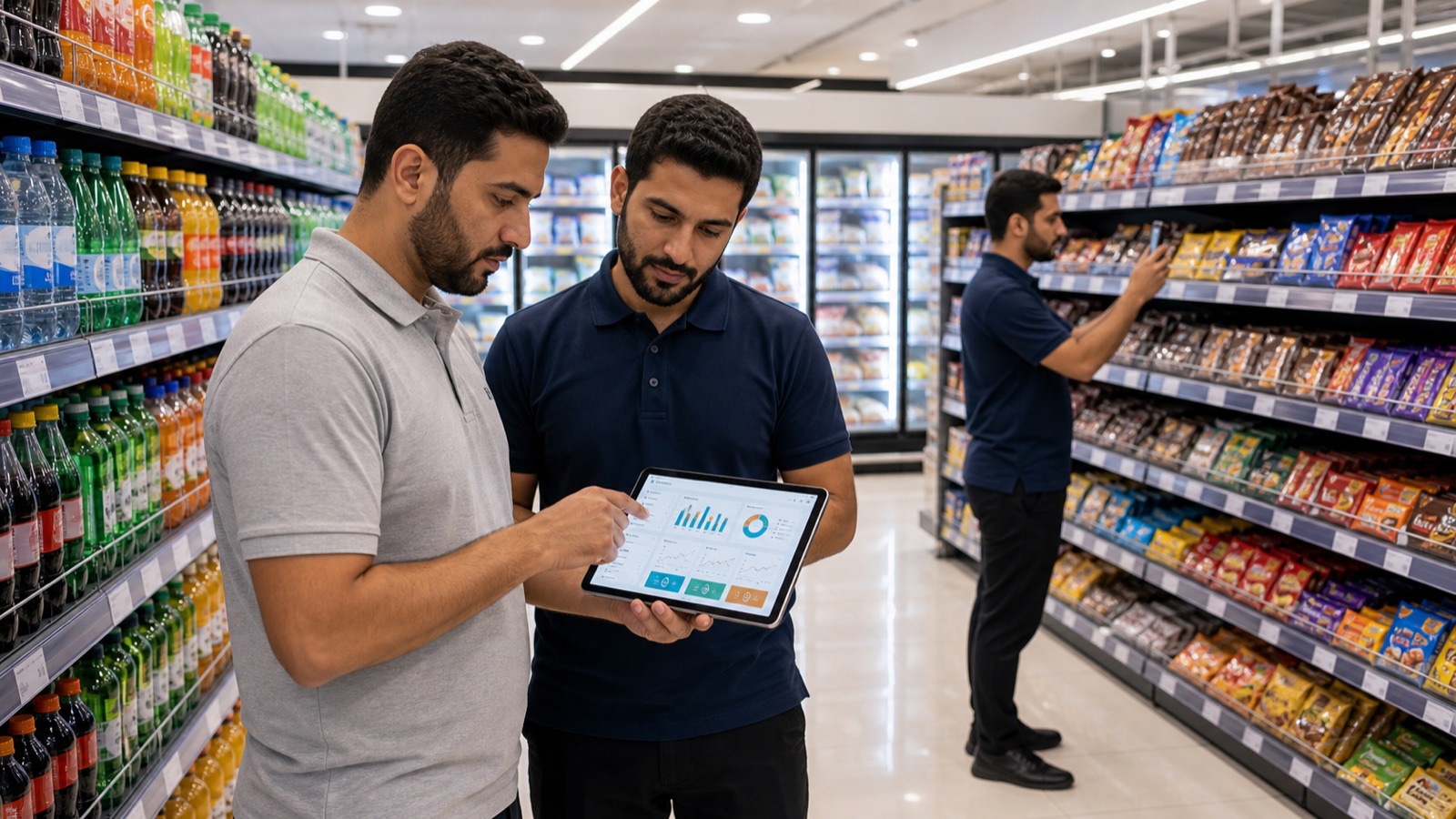
Many merchandising programmes start with route plans and reporting formats. Those are important, but the quality of execution still depends on the person standing in the aisle. Does the merchandiser know what good looks like? Can they identify a planogram break? Will they replenish from the backroom? Do they escalate pricing, promotion or stock issues quickly?
In KSA and UAE retail, store formats vary widely across hypermarkets, supermarkets, convenience stores and regional chains. A people-led merchandising model gives brands a more reliable way to protect shelf standards across those formats.
Start with the role, not the headcount
Before hiring, define what the merchandiser is expected to own. A beverage merchandiser may focus on cold availability, secondary displays and promotional pricing. A confectionery merchandiser may manage impulse visibility and fixture discipline. A frozen food merchandiser needs stronger checks around cabinet condition, stock rotation and door-level availability.
When the role is clear, recruitment becomes sharper. The brand can hire for category experience, physical stamina, language fit, store handling, digital reporting discipline and ownership mindset rather than only asking for years of experience.
The Find, Assess, Integrate, Reinforce framework
Channelplay uses a practical people framework for building merchandising teams:
- Find: identify candidates with FMCG field experience, category understanding and retail grit.
- Assess: test KPI knowledge, situational judgement, communication and shelf execution ability before deployment.
- Integrate: onboard through classroom training, store immersion, tool training and certification.
- Reinforce: track performance, coach gaps, refresh training and use governance reviews to keep standards alive.
This turns hiring into a performance system. The goal is not only to fill positions. The goal is to create field teams that know how to protect shelf outcomes every day.
Supervisors turn coverage into performance
A strong supervisor layer is what prevents a merchandising programme from becoming a list of visits. Supervisors audit execution, coach merchandisers, validate photos, resolve store issues, manage absenteeism and translate dashboard signals into corrective action.
For KSA and UAE brands, supervisors also help manage city-wise variation, store relationships, language needs and regional compliance expectations. The best supervisors are not only administrators. They are field leaders.
Training should convert KPIs into behaviours
KPIs such as OSA, SOS, FEFO, planogram compliance, freshness, hygiene, pricing and promotion compliance should not stay as dashboard terms. Each KPI should become a clear field behaviour.
For example, OSA means checking the shelf, confirming backroom stock and acting before the shopper sees a gap. SOS means counting the right facings and understanding competitor encroachment. FEFO means rotating short-shelf-life stock correctly and documenting risk before it becomes waste.
Governance keeps the system honest
Merchandising teams need a review rhythm. Weekly reviews should cover attendance, OSA, planogram, FEFO, issue logs and immediate training needs. Monthly reviews should compare city, team and store performance. Quarterly reviews should look at SLA performance, attrition, recruitment health and the next phase of improvement.
This cadence gives brands control without micromanaging every visit. It also makes outsourcing more transparent because both the brand and the partner are looking at the same field evidence.
How Channelplay can help
Channelplay helps FMCG brands in Saudi Arabia and UAE build, train and manage merchandising teams that combine people discipline with technology visibility. The model covers recruitment, assessment, onboarding, route planning, supervisor governance, KPI tracking, photo proof and dashboards.
Whether the category is beverages, confectionery, frozen food, dairy, fresh, personal care or ambient grocery, the operating principle is the same: the right people, trained deeply, measured clearly and coached continuously.
The bottom line
A high-performance merchandising team is built, not found. FMCG brands that invest in selection, training, supervision and field visibility are better placed to protect availability, shelf share and retailer trust across KSA and UAE.